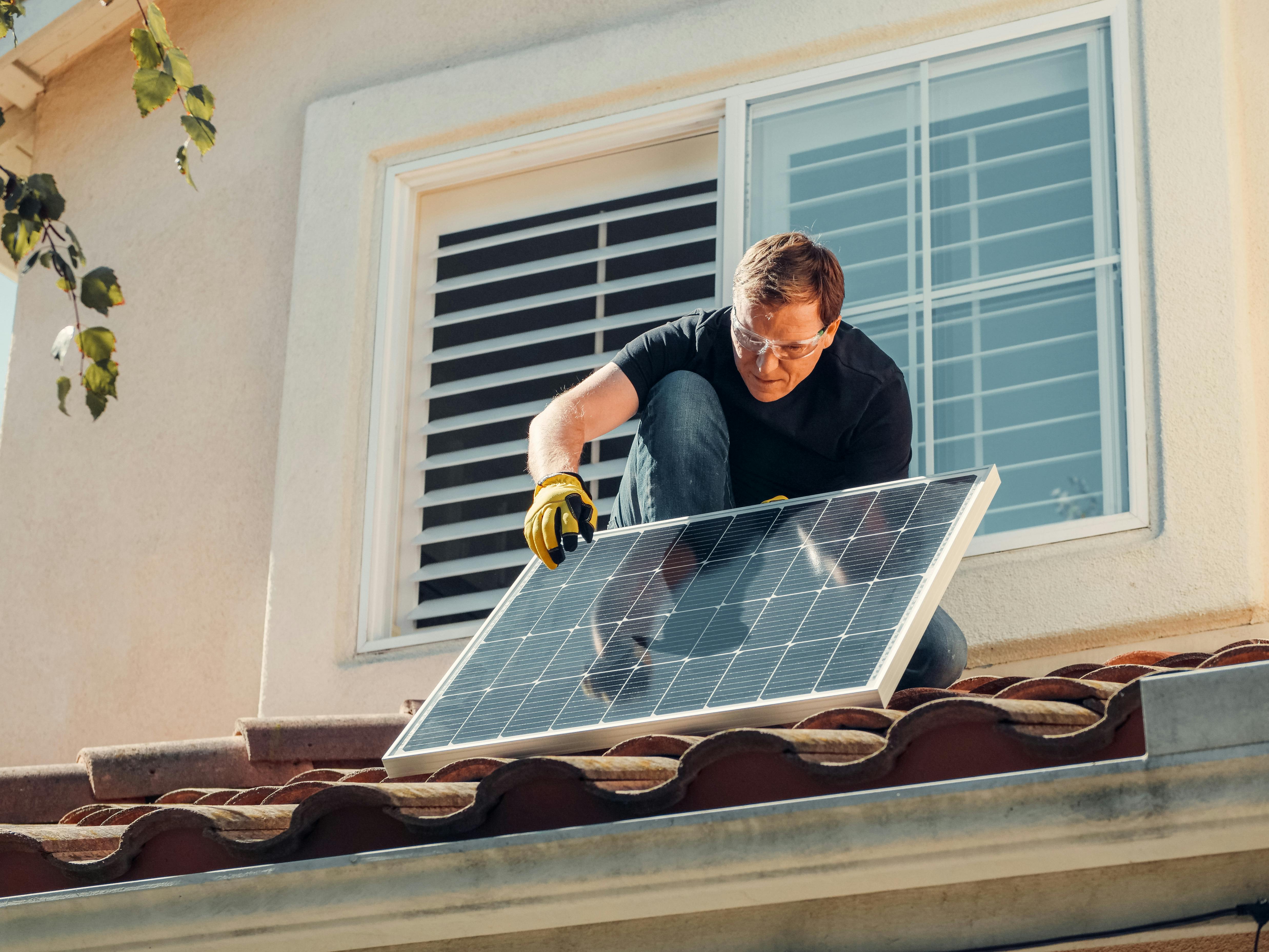
Upgrading electrical wiring is a crucial step in ensuring the safety and functionality of any building, whether residential or commercial. Over time, electrical systems can become outdated, leading to potential hazards such as electrical fires, power surges, and inefficiencies. Modernizing the wiring infrastructure not only safeguards against these risks but also enhances the overall efficiency and capacity of electrical systems. In this article, various aspects of electrical wiring upgrades will be explored, providing insights into why they are essential and how they can be implemented effectively.
The Importance of Upgrading Electrical Wiring
Electrical wiring upgrades are not merely about enhancing aesthetics or adding new gadgets. There are substantial safety and functional reasons to consider. Here are some critical factors:
- Safety Enhancement: Older wiring systems may not support the electrical load of modern appliances, leading to overheating and increased fire risks.
- Code Compliance: Electrical codes evolve over time. Upgrading ensures that the wiring complies with the latest standards, reducing the risk of legal issues.
- Improved Energy Efficiency: Modern wiring systems are designed to handle electricity more efficiently, which can lower energy bills.
- Increased Home Value: Homes with updated wiring can attract higher offers from buyers who value safety and efficiency.
- Better Accommodation of Modern Devices: With smart home technology becoming more prevalent, adequate wiring is essential to support these advancements.
Signs It’s Time to Upgrade
Recognizing when to upgrade your electrical wiring can prevent potential hazards. Here are some signs to watch for:
- Flickering Lights: This may indicate a poor connection or overloaded circuit.
- Frequent Circuit Breaker Trips: If the circuit breaker trips often, it could mean the system is overloaded.
- Burning Smell: A persistent burning smell can be a sign of overheated wires.
- Discolored Outlets: Outlets that appear burnt or discolored should be replaced immediately.
- Aluminum Wiring: Homes built during the mid-20th century may have aluminum wiring, which is prone to corrosion and should be replaced.
Steps to Upgrading Electrical Wiring
Assessment and Planning
Before any work begins, a professional assessment of the current wiring system is necessary. This initial step helps in identifying areas that need improvement and in formulating a comprehensive plan. Discover expert strategies here to ensure a proper assessment process.
Choosing the Right Components
Selecting the appropriate materials and components is crucial for a successful upgrade. Considerations include:
- Wiring Type: Choose between copper and aluminum based on current needs and compatibility.
- Panel Upgrades: Ensure the electrical panel can handle increased capacity.
- Surge Protection: Installing surge protectors can prevent damage from electrical spikes.
Find out more about this approach to selecting the right wiring components and materials.
Hiring Qualified Professionals
Upgrading electrical wiring is not a DIY project. Hiring certified electricians ensures that the work meets safety standards and complies with building codes. Learn about our tailored solutions for professional electrical services.
Conclusion
Electrical wiring upgrades are essential for maintaining safe, efficient, and modern electrical systems. They provide peace of mind, knowing that the risk of electrical hazards is minimized and that the system can handle current and future demands. By recognizing the signs of outdated wiring and taking proactive steps to upgrade, property owners can protect their investment and enjoy enhanced functionality. Explore advanced guides and tips for further insights into effective electrical system upgrades.