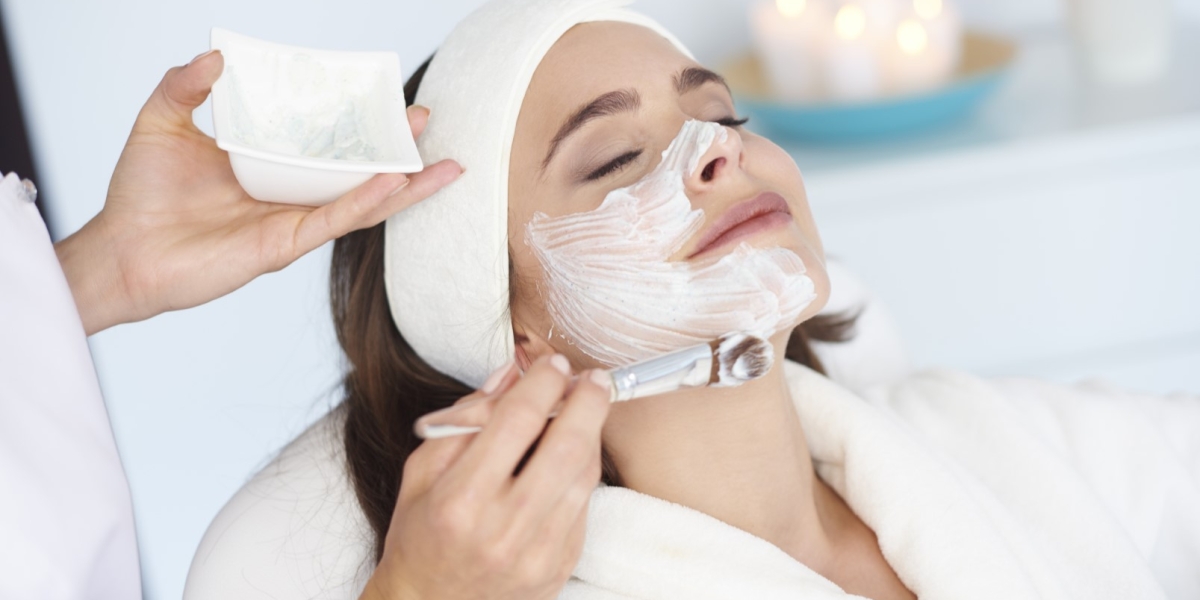
Chemical peel treatments have steadily gained popularity, offering a pathway to rejuvenated and radiant skin. While this cosmetic procedure might seem straightforward, its underlying science is both fascinating and intricate. Understanding the mechanism behind chemical peels can empower individuals to make informed decisions about their skincare regimes.
The Basics of Chemical Peels
Chemical peels are dermatological treatments that involve applying a chemical solution to the skin, which causes the top layers to exfoliate and eventually peel off. This process reveals new, regenerated skin that is typically smoother and less wrinkled than the old skin.
Types of Chemical Peels
The treatment varies based on the depth of the peel:
- Superficial Peels: These use mild acids like alpha-hydroxy acid to gently exfoliate. They penetrate only the outermost layer of skin.
- Medium Peels: These reach the middle and outer layers of skin with acids such as glycolic or trichloroacetic acid. They are effective for improving age spots, fine lines, and skin discoloration.
- Deep Peels: These use stronger acids like phenol and penetrate deeper layers of skin. They can treat deeper wrinkles and scars but require more recovery time.
The Science Behind Chemical Peels
The effectiveness of chemical peels lies in their ability to accelerate the natural exfoliation process. By removing the outer layers, the treatment stimulates the body”?s healing processes, promoting the growth of new skin cells. The active ingredients in chemical peels break down the bonds that hold dead skin cells together, facilitating their removal.
Mechanism of Action
Each chemical agent used in peels has a specific target and function:
- Alpha Hydroxy Acids (AHAs): Water-soluble acids derived from fruits. They primarily exfoliate the surface layer, improving texture and tone.
- Beta Hydroxy Acids (BHAs): Oil-soluble acids that penetrate deeper into pores. Ideal for treating acne and oily skin.
- Trichloroacetic Acid (TCA): Used in medium-depth peels, TCA is effective for treating sun damage and pigmentation.
- Phenol: The strongest acid, used in deep peels. It provides dramatic results for severe skin concerns.
For those interested in learning more about the tailored solutions offered by experts, explore advanced guides and tips.
Benefits of Chemical Peel Treatments
When performed by a trained professional, chemical peels can offer numerous benefits:
- Reduction of fine lines and wrinkles
- Improved skin texture and tone
- Reduced appearance of scars and acne
- Lightening of hyperpigmentation and age spots
To discover expert strategies for maximizing the benefits of chemical peels, find out more about this approach.
Considerations Before Treatment
Before opting for a chemical peel, it is essential to consult with a skincare professional to determine the most appropriate treatment based on individual skin type and concerns. Factors to consider include:
- Skin sensitivity and history of allergic reactions
- The desired depth of the peel and expected downtime
- Current skincare regimen and use of retinoids or other exfoliants
- Long-term skincare goals
For more personalized advice and tailored solutions, learn about our tailored solutions.
Conclusion
Chemical peel treatments offer a compelling combination of immediate and long-term benefits for skin rejuvenation. By understanding the science and mechanisms behind these treatments, individuals can make informed decisions and achieve their skincare goals effectively. For those seeking expert advice and comprehensive treatment plans, it is beneficial to explore advanced guides and tips provided by skincare professionals.