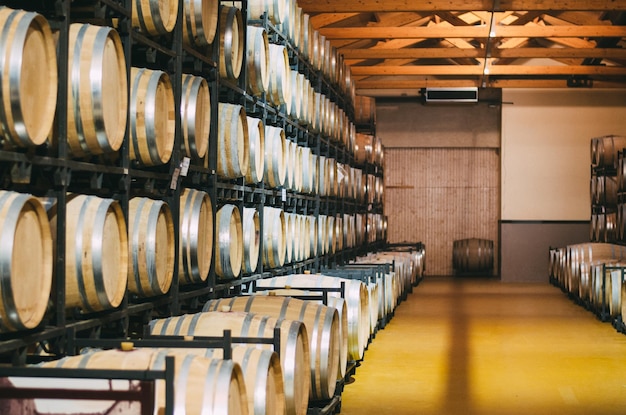
In recent years, whiskey cask investments have gained significant attention as an alternative asset class offering substantial profit potential. As traditional markets continue to experience volatility, investors are increasingly turning to tangible assets like whiskey casks, which not only preserve wealth but also offer an opportunity for considerable long-term gains. By understanding the intricacies of whiskey cask investment, stakeholders can unlock its full profit potential and diversify their portfolios effectively.
Understanding Whiskey Cask Investments
Whiskey cask investment involves purchasing casks of whiskey that are left to mature over time. As the whiskey ages, its value typically increases, providing investors with the opportunity to sell their casks at a profit. This investment strategy leverages the age-old principle that older whiskey is generally more desirable and commands a higher market price.
The Appeal of Whiskey Casks
- Stable Asset: Unlike stocks or bonds, whiskey casks are physical assets that can be stored and appreciated over time.
- Tangible Investment: Investors have the unique advantage of owning a tangible product, which can often be a safeguard against market fluctuations.
- Limited Supply: The production of whiskey is a time-consuming process, resulting in a limited supply that often increases demand and value.
Recognizing Profit Potential
Several factors contribute to the growing popularity of whiskey cask investments. Understanding these can aid in making informed decisions and maximizing returns.
Factors Influencing Value
- Age of the Whiskey: Older whiskey typically commands higher prices, as it is perceived to be more refined and desirable.
- Brand and Distillery Reputation: Casks from well-known distilleries often have a higher market value.
- Type of Cask: Certain casks, such as those made from sherry or bourbon barrels, can enhance the flavor and value of the whiskey.
Investors interested in whiskey cask investment should consider these factors to effectively capitalize on the potential market opportunities.
Risks and Considerations
While whiskey cask investments offer many advantages, potential investors should be aware of the associated risks and necessary considerations.
Storage and Maintenance
- Proper Storage: Whiskey casks must be stored in optimal conditions to prevent spoilage and maintain quality.
- Insurance Costs: Adequate insurance coverage is essential to protect the investment against unforeseen circumstances.
Market Volatility
As with any investment, whiskey cask investments are not immune to market fluctuations. Economic downturns or changes in consumer preferences can affect the value of whiskey casks. However, many consider whiskey cask investment a relatively stable option compared to traditional markets.
Maximizing Returns
To maximize whiskey investment returns, investors should adopt a strategic approach.
Long-Term Investment Strategy
- Patience is Key: Allowing whiskey casks to mature over several years can significantly increase their value.
- Diversification: Investing in a variety of casks from different distilleries and ages can spread risk and improve potential returns.
An informed approach, guided by thorough research and understanding of the best whisky cask investment practices, can lead to substantial returns.
Conclusion
Whiskey cask investments offer a unique and potentially lucrative opportunity for those looking to diversify their portfolios with tangible assets. By understanding the elements that influence the value of whiskey casks and adopting a strategic investment approach, stakeholders can unlock significant profit potential. As with all investment endeavors, due diligence and consideration of market conditions are crucial to realizing the full benefits of this alternative asset class.