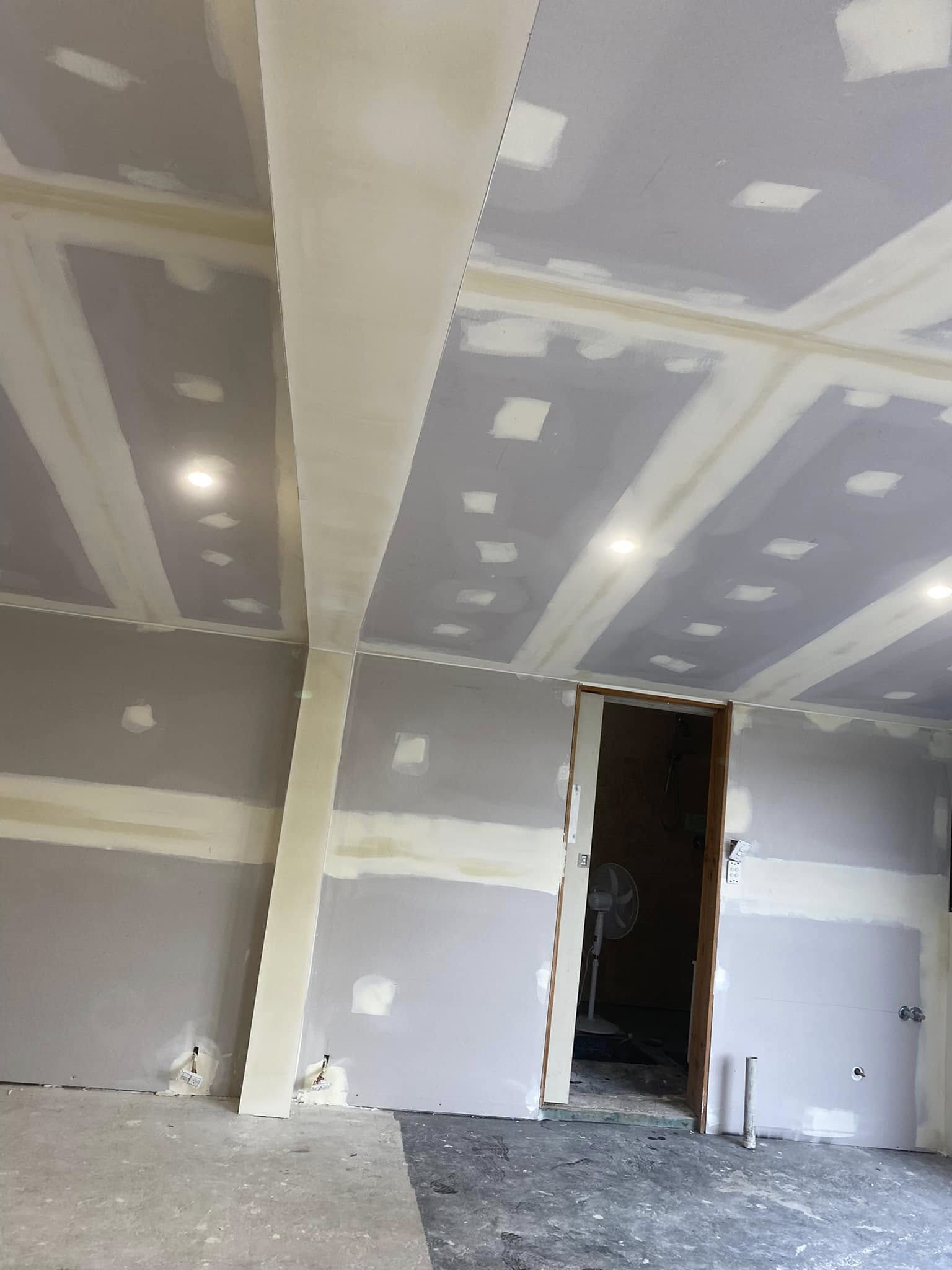
Transforming a space can be a rewarding endeavor, and one of the most effective ways to achieve a fresh and polished look is through high-quality wall ceiling plastering. Whether renovating a home, updating a commercial setting, or even giving a new purpose to a garage or shed, the right plastering techniques can elevate the aesthetics and functionality of any environment. This article delves into the benefits, processes, and considerations involved in wall and ceiling plastering, providing a comprehensive guide to ensure optimal results.
The Benefits of Quality Wall and Ceiling Plastering
Investing in quality plastering offers numerous advantages beyond mere aesthetics. Here are some key benefits:
- Enhanced Durability: Properly applied plaster can significantly increase the lifespan of walls and ceilings, providing a resilient surface resistant to wear and damage.
- Improved Insulation: Plastering can contribute to better thermal and acoustic insulation, creating a more comfortable and energy-efficient space.
- Smooth Finish: A professional plastering job results in a seamless and smooth finish, ideal for painting or other decorative applications.
- Increased Property Value: High-quality plasterwork can enhance the overall appeal of a property, potentially increasing its market value.
Understanding the Plastering Process
The process of wall and ceiling plastering involves several steps to ensure a flawless finish. Here is a breakdown of the typical plastering process:
Preparation
Preparation is crucial for successful plastering. This involves cleaning the surfaces, removing any previous coatings, and repairing any existing damage. A well-prepared surface ensures that the plaster adheres properly and achieves the desired finish. Find additional information here on the importance of preparation in plastering.
Application
Once the surface is prepared, the plaster is mixed and applied using trowels or sprayers, depending on the desired texture and finish. This step requires skill to ensure even application and to avoid common issues like cracking or bubbling. Explore further insights here on various application techniques.
Finishing
After the plaster has been applied, it is smoothed and allowed to dry. This stage is vital for achieving a flawless look, ready for painting or other finishes. Proper drying and curing time must be adhered to, preventing future problems. Learn more in this detailed guide on the finishing process and its importance.
Key Considerations for Successful Plastering
When planning a plastering project, several factors should be considered to ensure success:
- Material Selection: Different materials offer various benefits and characteristics. Selecting the right type of plaster for the specific needs of the space is essential.
- Environmental Conditions: Temperature and humidity can impact the drying process and final result, so it’s crucial to consider these factors when scheduling the project.
- Professional Expertise: Hiring experienced professionals ensures a high-quality finish and adherence to safety standards. Read more about this topic to understand the importance of expertise in plastering.
Conclusion
Wall and ceiling plastering is a transformative process that can greatly enhance the appearance and functionality of a space. By understanding the benefits, processes, and considerations involved, property owners can achieve a superior finish that meets their specific needs and preferences. For those ready to embark on a plastering project, embracing these insights ensures a successful outcome. For additional guidance and information, learn more in this detailed guide.