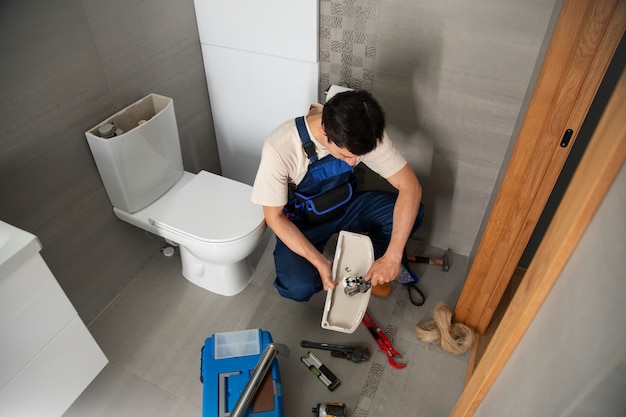
Fixture installation is a fundamental aspect of both residential and commercial plumbing. Whether it’s a new sink in the kitchen or a complex lighting system in a large office, seamless installation is crucial for functionality and aesthetics. As demands for efficient and effective fixture installations grow, understanding the nuances of the process can make a significant difference. This article provides top tips for achieving a seamless fixture installation, ensuring that every detail is considered and executed with precision.
Planning and Preparation
The foundation of any successful fixture installation is meticulous planning and preparation. Here are some key considerations:
- Assess the Space: Measure the area where the fixture will be installed to ensure a perfect fit. Consider not just the dimensions but also the surrounding space for accessibility and maintenance.
- Understand Requirements: Different fixtures have unique installation requirements. Research the specific needs, such as electrical or plumbing connections, before starting the process. Discover expert strategies here.
- Gather Tools and Materials: Having the right tools and materials on hand can prevent unnecessary delays. Ensure that all necessary equipment is available before beginning the installation.
- Review Local Codes: Compliance with local building codes is essential. Verify that the fixture installation aligns with regulatory standards to avoid potential issues.
Installation Techniques
The installation process varies depending on the type of fixture. However, some general techniques can enhance the efficiency and effectiveness of the installation:
- Follow Manufacturer Instructions: Always adhere to the manufacturer’s guidelines for installation. These instructions are tailored to the specific fixture and are crucial for optimal performance.
- Secure Connections: Whether it’s plumbing or electrical, ensure all connections are secure to prevent leaks or short circuits. Learn about our tailored solutions.
- Level and Align: Proper leveling and alignment are vital for both functionality and aesthetics. Use a level to ensure the fixture is correctly positioned.
- Test Functionality: Once installed, test the fixture to confirm that it operates as intended. This step is crucial for identifying any issues early.
Tools and Materials
The right tools and materials can make the difference between a smooth installation and a challenging one. Consider the following:
- Essential Tools: Depending on the fixture, you may need a variety of tools such as wrenches, screwdrivers, drills, and levels.
- Quality Materials: Invest in high-quality materials to ensure durability and longevity. Poor quality fittings or sealants can lead to problems down the line. Explore advanced guides and tips.
- Safety Equipment: Safety should always be a priority. Use protective gear like gloves and goggles to prevent injuries during installation.
Troubleshooting Common Issues
Even with careful planning and execution, issues can arise during fixture installation. Here are some common problems and their solutions:
- Leaks: If a leak is detected, recheck all connections and seals. Tighten fittings as needed and ensure that all sealants are properly applied.
- Misalignment: Use a level to check the alignment. Adjust the fixture as necessary to ensure it is properly positioned.
- Electrical Concerns: If the fixture is not functioning correctly, verify all wiring connections and consult a professional if needed. Find out more about this approach.
With careful attention to detail and the right approach, fixture installation can be a straightforward process. By following these tips and utilizing available resources, such as expert guides, achieving a seamless installation becomes much more attainable.