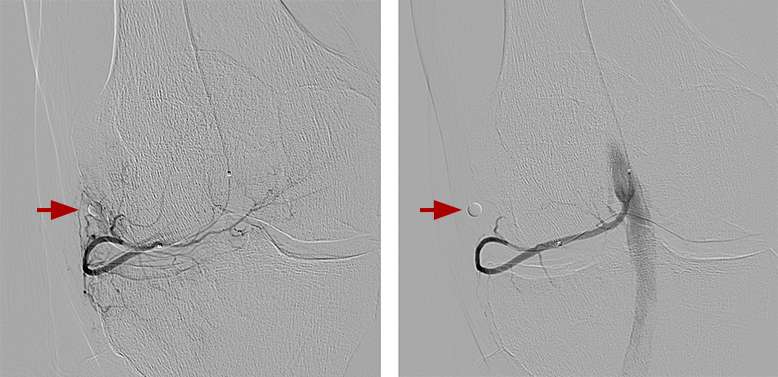
In the ever-evolving field of pain management, innovative techniques are continually being explored to provide patients with effective and less invasive treatment options. One such technique that has garnered attention is Genicular Artery Embolization (GAE), a minimally invasive procedure aimed at alleviating knee pain, particularly in individuals with osteoarthritis who have not found relief with conventional therapies. As more individuals seek alternatives to surgery, GAE emerges as a promising option with potential benefits in pain reduction and improved quality of life.
Understanding Genicular Artery Embolization
Genicular Artery Embolization is a procedure that involves the selective blocking of specific blood vessels, known as genicular arteries, that supply blood to the knee joint. By reducing blood flow in these arteries, inflammation and pain associated with conditions such as osteoarthritis can be diminished. The procedure is performed by an interventional radiologist, employing imaging guidance to ensure precision and efficacy.
The Procedure
The GAE procedure involves several key steps:
- A small incision is made to access the femoral artery.
- A catheter is guided to the target genicular arteries using fluoroscopic imaging.
- Tiny particles are introduced through the catheter to embolize, or block, the arteries.
- The procedure typically takes about one to two hours and is conducted on an outpatient basis.
For more detailed information on the Genicular Artery Embolization procedure, interested readers can explore additional resources.
Benefits of Genicular Artery Embolization
GAE offers several advantages over traditional surgical approaches for managing knee pain:
- Minimally Invasive: As a non-surgical procedure, GAE poses fewer risks and typically results in a quicker recovery time compared to surgical interventions.
- Outpatient Procedure: Patients can return home the same day, minimizing disruption to their daily lives.
- Pain Relief: Clinical studies have shown promising results in reducing knee pain and improving function.
- Alternative for Surgery: For patients not ready or eligible for knee replacement surgery, GAE provides an alternative treatment option.
Indications and Patient Suitability
GAE is particularly beneficial for patients with knee osteoarthritis who have not responded well to conventional treatments such as physical therapy, medications, or injections. It is especially suitable for:
- Individuals who are not candidates for knee replacement surgery due to age or health conditions.
- Patients seeking a minimally invasive option with a quicker recovery period.
- Those looking for an effective pain management solution without the commitment of surgery.
Potential Risks and Considerations
While GAE is generally safe, as with any medical procedure, there are potential risks and considerations:
- Possible allergic reactions to the contrast dye used during imaging.
- Risk of infection at the catheter insertion site.
- Potential for non-target embolization, although rare.
A thorough consultation with an interventional radiologist is crucial to determine the suitability of GAE for individual patients, ensuring that potential benefits outweigh the risks.
Conclusion
Genicular Artery Embolization represents a significant advancement in the field of pain management, providing a viable option for those suffering from chronic knee pain due to osteoarthritis. With a minimal recovery time, reduced risk profile, and promising outcomes in pain relief, GAE is gaining traction among healthcare professionals and patients alike. As research and clinical practice continue to evolve, this procedure is poised to play an increasingly important role in the comprehensive management of knee pain.