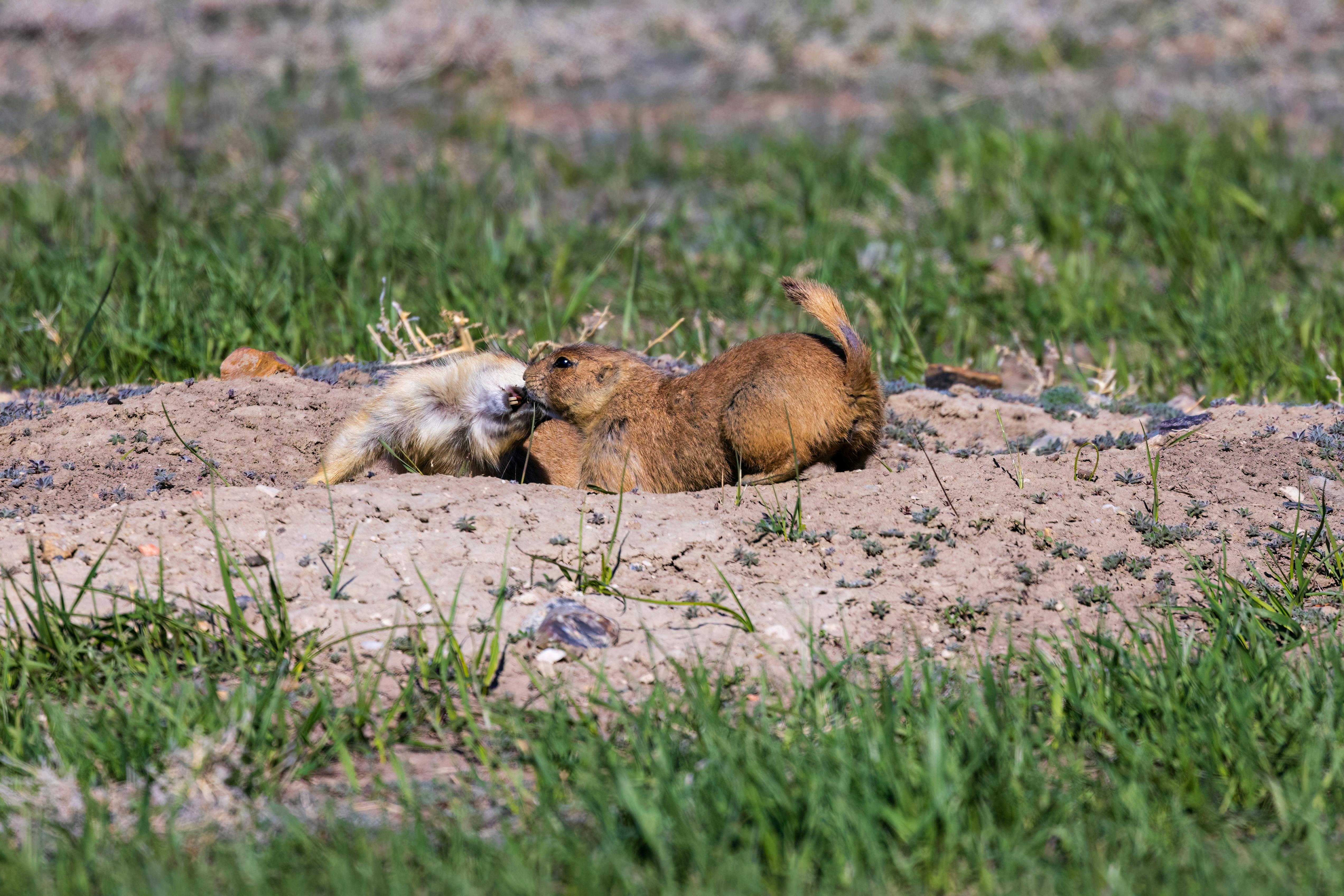
Co-existing with wildlife and urban animals is an integral part of life in many communities. While these creatures can add to the beauty and biodiversity of the environment, they can also pose significant challenges when they venture too close to human habitats. Effective animal control services are crucial for ensuring safety, preventing property damage, and promoting a harmonious coexistence between humans and animals. Understanding the importance of these services and how they operate can empower communities to address animal-related concerns more effectively.
Understanding the Importance of Animal Control Services
Animal control services play a pivotal role in maintaining the balance between human activities and wildlife. These services include a range of activities designed to manage and monitor animal populations, ensuring both human safety and animal welfare.
- Preventing the spread of diseases that can be transmitted from animals to humans.
- Reducing the risk of animal attacks or threats to people and pets.
- Minimizing property damage caused by invasive or overpopulated species.
- Facilitating the relocation or rehabilitation of animals in distress.
For communities looking to address these challenges, understanding the specific roles of animal control services is essential. Discover expert strategies here to learn more about the range of services available.
Strategies for Effective Animal Control
Effective animal control requires a combination of proactive measures and responsive strategies. Communities can benefit from a variety of approaches tailored to their specific needs and local wildlife populations.
Proactive Measures
- Implementing public education programs to raise awareness about local wildlife and safe practices.
- Establishing regulations and ordinances to manage feeding and sheltering of wildlife in urban areas.
- Utilizing technology and data analysis to monitor animal movements and behaviors.
By learning about our tailored solutions, communities can adopt these proactive measures effectively.
Responsive Strategies
- Emergency response teams for immediate threats or animal attacks.
- Rescue and rehabilitation services for injured or distressed animals.
- Collaboration with local wildlife experts to facilitate relocation and conservation efforts.
These strategies are essential for managing unexpected situations and ensuring the safety of both residents and animals. Explore advanced guides and tips for implementing these responsive strategies.
Choosing the Right Animal Control Service
When selecting an animal control service, it is important to consider several factors to ensure the most effective and humane approach.
- Reputation and experience in handling similar wildlife issues.
- Availability of advanced tools and techniques for safe animal management.
- Commitment to humane practices and animal welfare.
Communities can find out more about this approach to make informed decisions regarding animal control services.
Conclusion
Animal control services are an essential component of maintaining safety and harmony in areas where human development intersects with wildlife habitats. By understanding and implementing effective strategies, communities can protect themselves and the animals they share their environments with. For more detailed insights and expert guidance, consider exploring resources that provide comprehensive information and solutions tailored to specific needs.