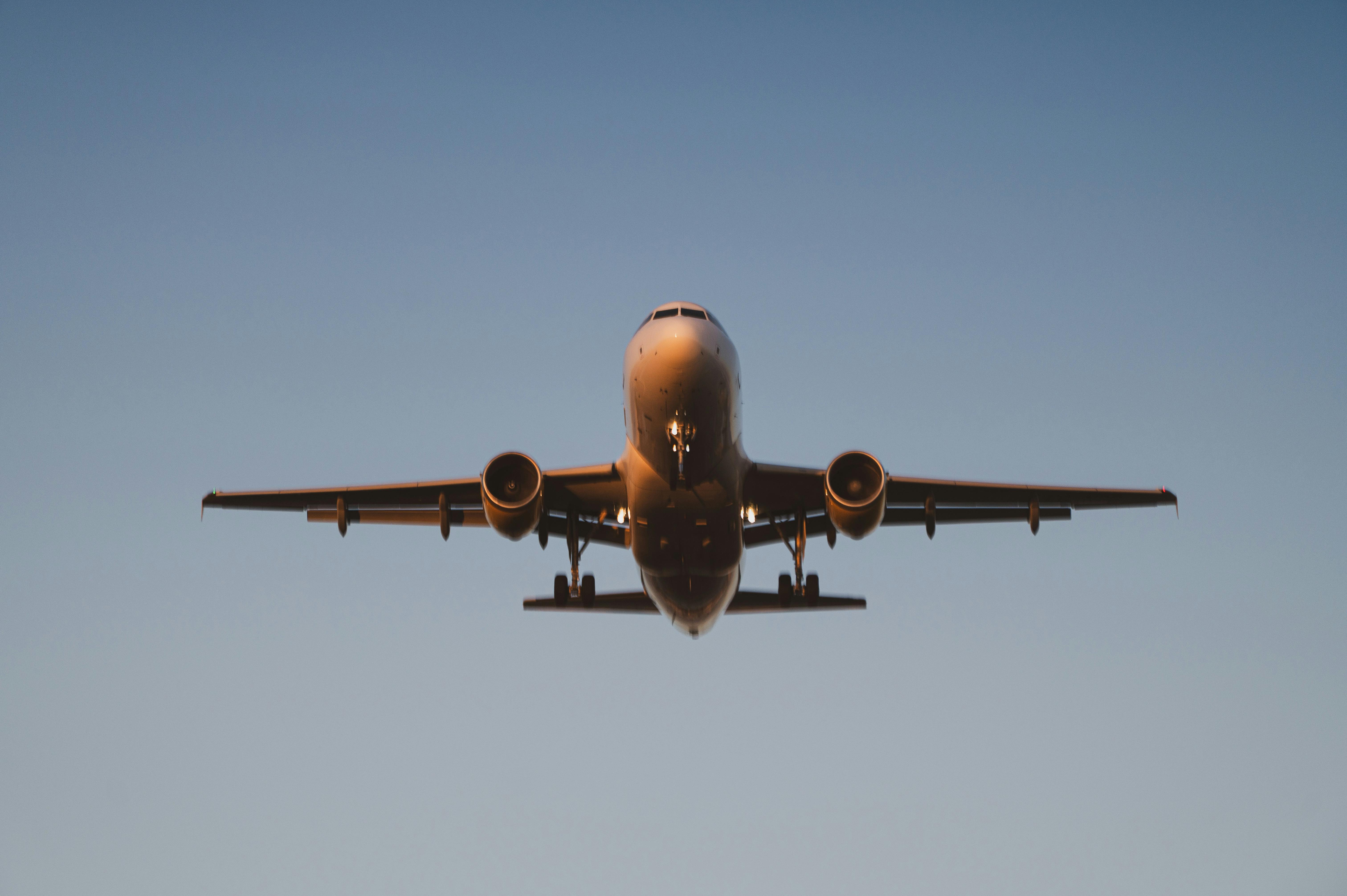
Flying is an essential part of modern life, connecting people across distances and offering experiences that enrich our personal and professional worlds. However, for many, the thought of boarding an aircraft evokes feelings of anxiety and dread. The fear of flying, also known as aerophobia, can range from mild unease to severe anxiety. Fortunately, structured approaches, such as a fear of flying help course, are designed to help individuals overcome this common phobia, allowing them to embrace air travel with confidence.
Understanding Fear of Flying
The fear of flying is a complex phobia that may stem from various factors, including a fear of heights, enclosed spaces, or even a lack of control. To effectively address this issue, it is crucial to understand its root causes, which can often be psychological or based on previous experiences.
Common Triggers
- Turbulence and unexpected movements of the plane
- News about aviation accidents
- Feeling of claustrophobia or confinement
- Lack of control during the flight
- Fear of heights or acrophobia
By identifying these triggers, individuals can better prepare to confront and manage their fears. This understanding is a fundamental part of most fear of flying courses.
The Structure of a Fear of Flying Course
A comprehensive fear of flying course typically includes a blend of psychological and practical strategies. These courses are designed to equip participants with the tools they need to manage their anxiety effectively.
Key Components
- Educational Sessions: Insight into how aircraft operate, safety measures, and statistical reassurance regarding aviation safety.
- Cognitive Behavioral Therapy (CBT): Techniques to reframe negative thoughts and reduce anxiety.
- Relaxation Techniques: Breathing exercises and mindfulness practices to calm the nervous system.
- Simulated Flight Experiences: Opportunities to experience a flight in a controlled environment to desensitize fear responses.
These components are crucial in helping participants overcome fear of flying by providing a safe space to explore and address their fears.
Benefits of Enrolling in a Course
Participating in a fear of flying course UK offers numerous benefits beyond simply reducing anxiety. It empowers individuals to regain control over their lives and opens up opportunities that were previously limited by their fear.
Advantages
- Enhanced Understanding: Gain a deeper insight into aviation, which demystifies the flying process and reduces fear.
- Improved Confidence: Build confidence in flying, leading to more enjoyable and stress-free travel experiences.
- Life Skills: Acquire techniques that are applicable in various anxiety-inducing situations, not just flying.
- Supportive Environment: Connect with others who have similar fears, fostering a sense of community and shared support.
Such benefits highlight the value of engaging in a nervous flyer course, which aims to transform the flying experience from one of fear to one of empowerment.
Conclusion
Fear of flying is a common issue that affects many people worldwide, but it doesn’t have to be a permanent barrier to travel. By enrolling in courses for fear of flying, individuals can learn to manage their anxiety, gain confidence, and enjoy the freedom that comes with overcoming this phobia. Whether through educational insights, therapeutic techniques, or supportive environments, these courses provide a comprehensive approach to conquering the fear of flying, enabling individuals to explore the world with newfound courage.