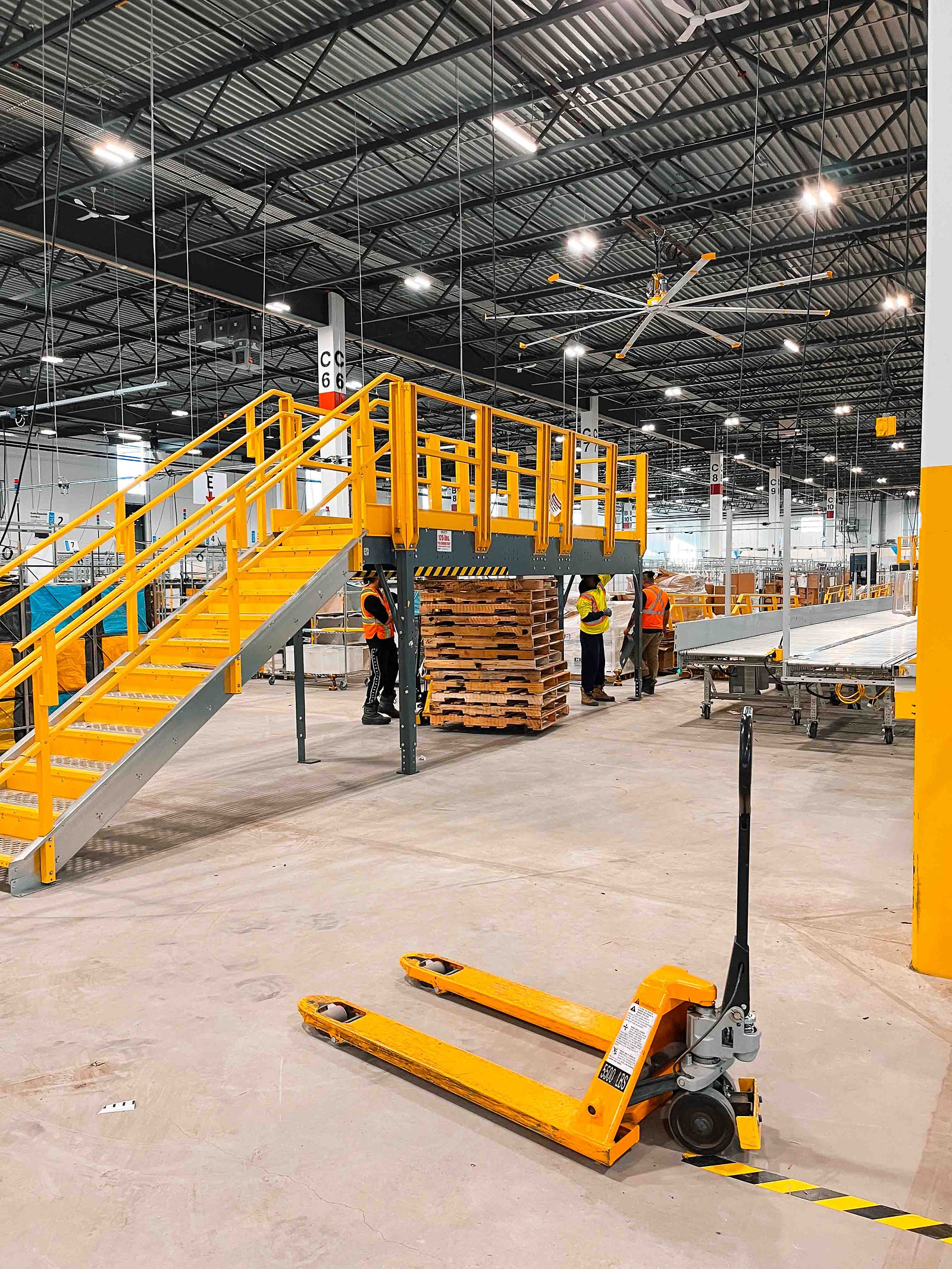
In the rapidly evolving landscape of logistics and supply chain management, the integration of warehouse automation solutions has become a cornerstone for businesses aiming to enhance efficiency, reduce costs, and maintain a competitive edge. As the demand for faster and more reliable delivery increases, companies are turning to advanced technologies to streamline their operations. This transformation is not just about adopting new tools but also about rethinking operational strategies to leverage the full potential of automation.
The Benefits of Warehouse Automation
Warehouse automation offers numerous advantages that can significantly improve operational efficiency and accuracy. Some key benefits include:
- Increased Efficiency: Automated systems can operate continuously without the need for breaks, leading to increased productivity and faster order fulfillment.
- Reduced Errors: Automation minimizes the risk of human error, ensuring greater accuracy in inventory management and order processing.
- Cost Savings: By reducing labor costs and minimizing errors, automation can lead to substantial financial savings over time.
- Improved Safety: Automation reduces the need for manual handling of goods, thus lowering the risk of workplace injuries.
To explore advanced guides and tips on implementing these solutions, learn about our tailored solutions.
Key Technologies in Warehouse Automation
Several technologies are at the forefront of warehouse automation, each offering unique capabilities to optimize various aspects of warehouse operations:
Automated Guided Vehicles (AGVs)
AGVs are used to transport goods around the warehouse autonomously, enhancing mobility and reducing the time required for manual transportation. These vehicles are equipped with sensors and navigation systems that allow them to move safely and efficiently within the facility. Discover expert strategies here for integrating AGVs into existing systems.
Robotics
Robotic systems can perform a wide range of tasks such as picking, packing, and sorting with high precision and speed. The flexibility of robotics allows warehouses to adapt quickly to changes in demand and product variety.
Warehouse Management Systems (WMS)
A WMS provides a comprehensive platform to manage inventory, orders, and overall warehouse activities. It integrates seamlessly with other automation technologies to provide real-time data and insights for better decision-making. Find out more about this approach to optimize warehouse operations.
Implementing Warehouse Automation: Best Practices
Successful implementation of warehouse automation involves careful planning and execution. Here are some best practices to consider:
- Assessment of Current Operations: Evaluate existing processes to identify areas where automation can deliver the most impact.
- Scalability: Choose automation solutions that can scale with your business growth and adapt to future needs.
- Integration: Ensure that new technologies can integrate with existing systems for a seamless transition.
- Training: Provide comprehensive training for staff to effectively manage and operate new automated systems.
For more insights, explore advanced guides and tips on warehouse automation strategies.
Conclusion
Warehouse automation is not merely a trend but a necessity in today’s fast-paced business environment. By adopting the right technologies and strategies, businesses can optimize their operations, reduce costs, and improve service levels. As the demand for efficiency continues to grow, the role of automation in warehousing will become even more critical. Companies that embrace these changes will be well-positioned to thrive in the competitive landscape of the future.