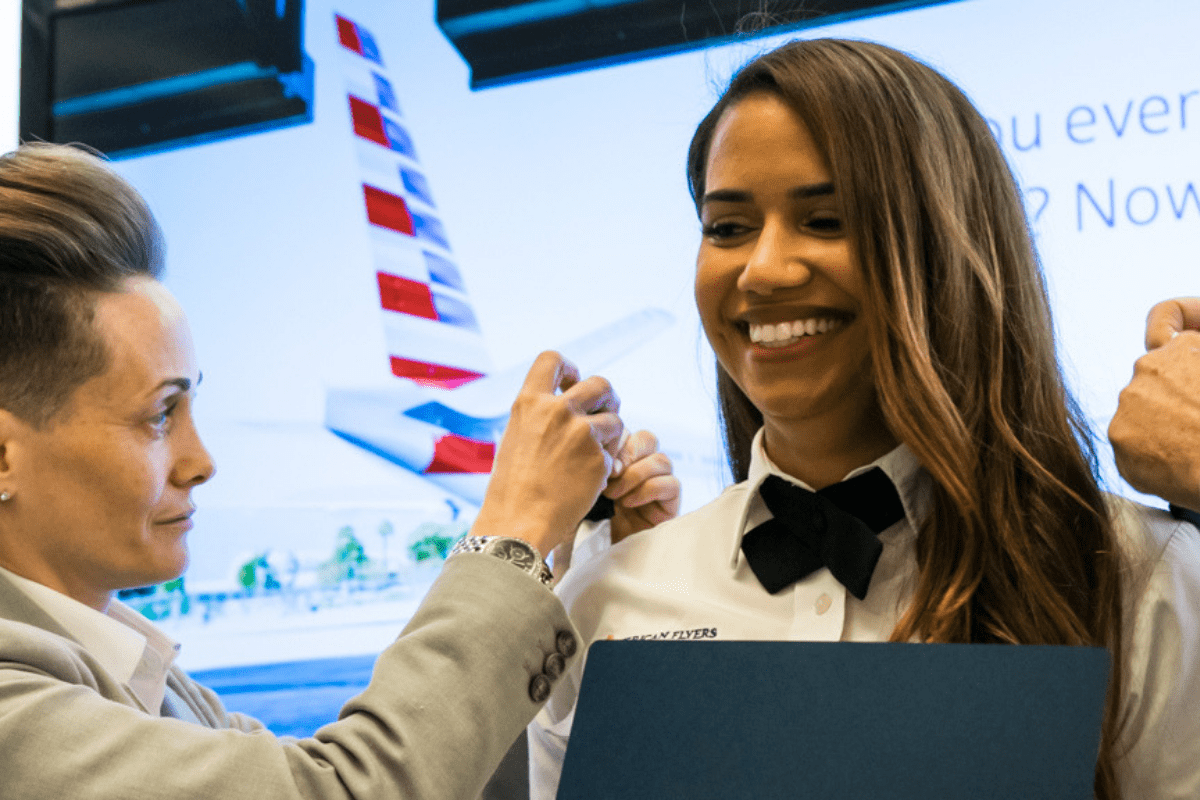
Embarking on a journey through an aviation academy can be both exhilarating and daunting. For many, the dream of flying begins at an early age, but the path from a novice to a skilled navigator requires dedication, training, and the right educational environment. Aviation academies play a pivotal role in shaping the future pilots by providing them with the necessary skills and knowledge. This article delves into the journey within an aviation academy, outlining the essential steps for aspiring pilots to navigate their way to success.
Understanding the Aviation Academy Environment
Choosing the right aviation academy is crucial for anyone aspiring to become a pilot. The environment within these academies is designed to simulate real-world aviation scenarios, ensuring that students receive a comprehensive education. The curriculum typically includes:
- Theoretical knowledge covering aerodynamics, meteorology, navigation, and aircraft systems.
- Practical flight training conducted in both simulators and actual aircraft.
- Safety procedures and emergency response training.
- Regulatory and compliance education to adhere to international aviation standards.
From Ground School to Cockpit: The Learning Progression
Ground School Fundamentals
The journey begins in ground school, where students are introduced to the fundamental principles of aviation. This phase is critical as it lays the groundwork for all future training. Key components of ground school include:
- Understanding the principles of flight and how aircraft are controlled.
- Learning about air traffic control communication and procedures.
- Studying meteorological phenomena and their impact on flight.
- Familiarizing with aviation regulations and airspace management.
Advanced Flight Training
Once the foundational knowledge is established, students progress to advanced flight training. This stage is where they apply their theoretical knowledge in practical scenarios:
- Operating flight simulators to practice maneuvers and emergency procedures.
- Completing solo flights to build confidence and independence in the cockpit.
- Engaging in cross-country flights to enhance navigation skills.
- Developing proficiency in night flying and instrument-only operations.
Building Experience and Confidence
Experience is a vital component in becoming a successful pilot. Aviation academies ensure that students accumulate sufficient flight hours under varying conditions to build their skills and confidence. Here are some ways students gain experience:
- Participating in mock flight operations that mimic commercial aviation environments.
- Engaging in flight competitions and events to test their skills against peers.
- Receiving mentorship and guidance from seasoned pilots and instructors.
- Adapting to technological advancements and innovations in aviation.
Preparing for a Professional Aviation Career
Graduating from an aviation academy is a significant milestone, but it is just the beginning of a professional aviation career. To transition from training to a professional setting, graduates often need to:
- Obtain necessary certifications and licenses, such as a Commercial Pilot License (CPL).
- Continue education through specialized courses and training programs.
- Stay informed about industry trends and changes in aviation regulations.
- Network with industry professionals and participate in aviation conferences.
For those committed to pursuing a career in aviation, an aviation academy provides the essential foundation and skills required to navigate the skies confidently. By following a structured learning path and embracing continuous learning, aspiring pilots can transform their dreams into reality, soaring from novices to skilled navigators.