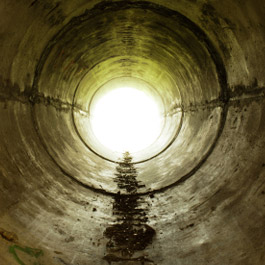
In the realm of facility management and infrastructure maintenance, the importance of preventative measures cannot be overstated. Preventative maintenance not only ensures the longevity of systems but also helps in minimizing the risk of unexpected failures. Within this framework, video line inspection has emerged as a pivotal tool, offering a non-invasive, efficient, and accurate means of assessing the condition of pipelines. By employing cameras to visually inspect the interiors of pipelines, this technology provides invaluable insights that help in preempting potential issues, ensuring the seamless operation of essential infrastructure.
Understanding Video Line Inspection
Video line inspection, often referred to as CCTV inspections, involves the use of specialized cameras that are inserted into pipelines to capture real-time video footage. This footage is then analyzed by technicians to identify any anomalies or issues within the pipeline system. The process is both cost-effective and efficient, making it an ideal choice for routine maintenance checks.
The Benefits of Video Line Inspection
- Non-Invasive: Unlike traditional inspection methods, video line inspection does not require excavation, thereby reducing disruptions and conserving resources.
- Accuracy: Provides a detailed view of the pipeline’s interior, enabling precise identification of issues such as blockages, leaks, or structural damage.
- Cost-Effective: By identifying problems early, it reduces the likelihood of major repairs, saving money in the long run.
- Efficiency: Speeds up the inspection process, allowing for quicker diagnostics and maintenance decisions.
Role in Preventative Maintenance
Preventative maintenance is a proactive approach aimed at identifying and rectifying potential issues before they escalate into significant problems. Video line inspection plays a crucial role in this strategy by providing the following advantages:
Early Detection
- Identifies small cracks or leaks that may develop into larger issues if left unaddressed.
- Detects blockages caused by debris, which can lead to severe clogs or burst pipes.
Data-Driven Decisions
- Provides comprehensive data that helps in making informed maintenance decisions.
- Facilitates trend analysis over time, allowing for predictive maintenance strategies.
Compliance and Safety
- Ensures compliance with safety regulations and standards.
- Enhances the safety of maintenance personnel by reducing the need for manual inspections in hazardous areas.
Implementing Video Line Inspection
Incorporating video line inspection into a preventative maintenance plan involves several steps:
- Assessment: Determine the frequency of inspections based on the age and condition of the pipeline infrastructure.
- Scheduling: Implement a regular inspection schedule that aligns with the overall maintenance strategy.
- Analysis: Use the captured footage to analyze pipeline conditions and plan necessary maintenance actions.
By integrating video line inspection into maintenance protocols, facilities can enhance the reliability and efficiency of their pipeline systems, ultimately contributing to the sustainability of the infrastructure.
Conclusion
The role of video line inspection in preventative maintenance is indispensable. It offers a modern solution to traditional challenges, aligning with the growing need for efficiency and precision in infrastructure management. By leveraging this technology, facilities can ensure robust pipeline systems that are both functional and compliant with safety standards. As the demand for efficient maintenance solutions continues to rise, video line inspection stands out as a key player in the pursuit of operational excellence.