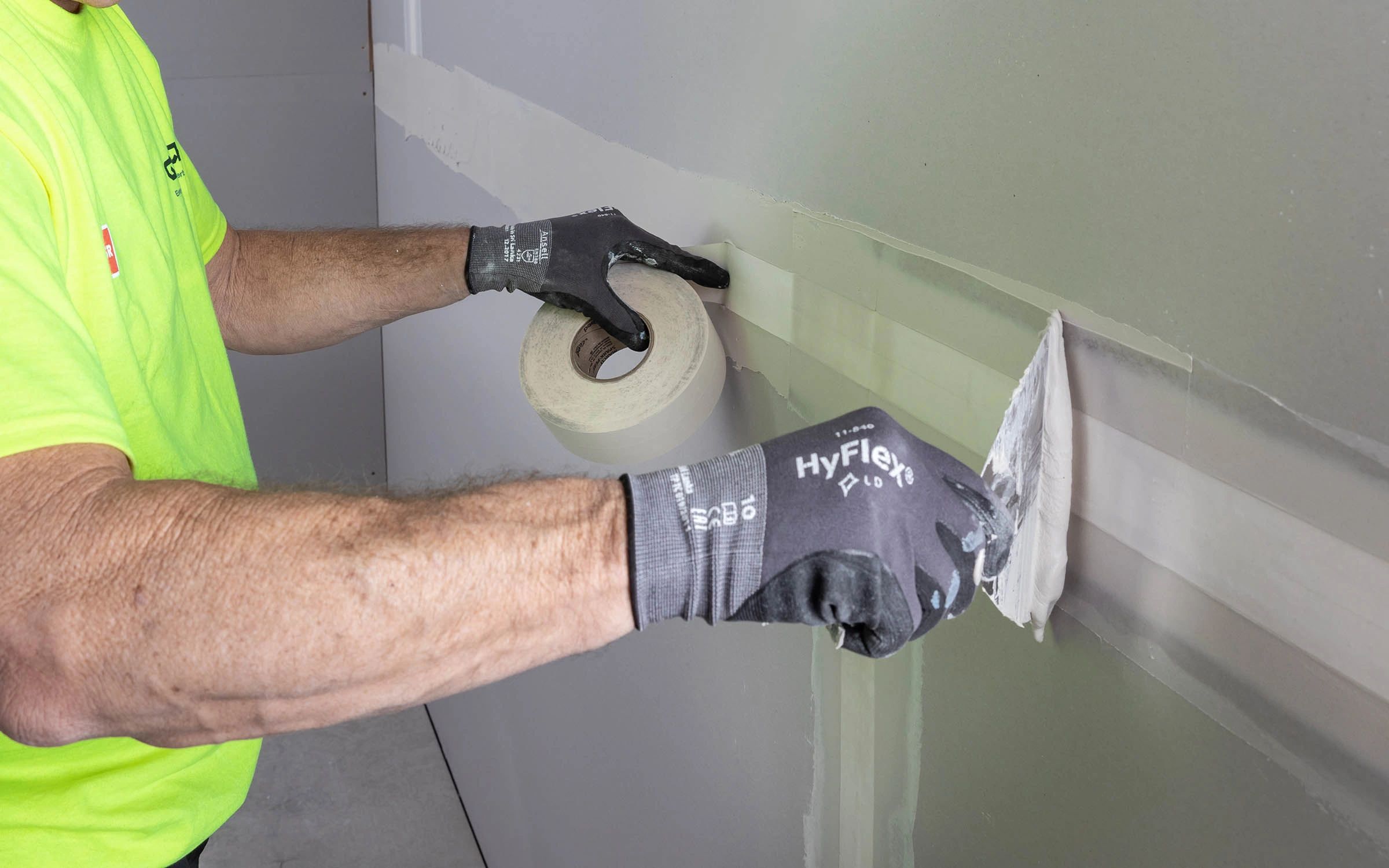
Wall patch repair might seem like a daunting task for homeowners or novice DIY enthusiasts, but with the right tools and techniques, it becomes a manageable project. Whether dealing with minor cracks or significant damage, having the proper tools can make all the difference in achieving a smooth, professional finish. Understanding the essential tools required for wall patch repair not only ensures efficiency but also helps in preventing future problems. This guide will explore the necessary tools and provide insights on how to use them effectively.
Basic Tools for Wall Patch Repair
Having the basic tools on hand is crucial for any wall repair project. These tools will help in prepping the area and applying patch materials efficiently. Here?s a list of must-have items:
- Putty Knife: A versatile tool used for applying patching compounds. Opt for a flexible blade for smooth application.
- Sandpaper: Essential for smoothing out the surface after the patch has been applied. Coarse and fine grits are both useful.
- Taping Knife: Wider than a putty knife, it helps in spreading compound evenly across larger areas.
- Utility Knife: Useful for cutting drywall and removing loose or damaged paper.
- Drywall Saw: Ideal for cutting out damaged sections of drywall accurately.
For further guidance on selecting and using these tools, discover expert strategies here.
Advanced Equipment for Professional Results
For larger or more complex repairs, more advanced tools might be necessary. These tools can help in achieving a professional finish that blends seamlessly with the existing wall.
- Drywall Sander: An electric sander can speed up the process and provide a smoother finish than manual sanding.
- Corner Trowel: Designed for smoothing compound in corners, ensuring a crisp, clean finish.
- Joint Compound Mixer: Mixing compound by hand can be labor-intensive; a mixer ensures a consistent texture.
- Plaster Hawk: Helps in holding and applying larger amounts of compound comfortably.
To learn about our tailored solutions and how to incorporate these tools into your repair projects, find out more about this approach.
Materials Needed for Effective Repair
Besides tools, the materials used in wall patch repair are equally important. Selecting the right type of compound and patch material can make a significant difference in the durability and appearance of the repair work.
- Joint Compound: Also known as drywall mud, it?s used for covering joints and imperfections.
- Self-Adhesive Mesh Tape: Used to reinforce the patch and prevent cracks from reappearing.
- Patch Kit: Handy for small repairs, these kits usually include everything needed for a quick fix.
- Primer: Prepares the surface for painting and ensures even color absorption.
For more advanced guides and tips on choosing the right materials, explore advanced guides and tips.
Conclusion
Mastering wall patch repair is a valuable skill that can save time and money while maintaining the aesthetic appeal of any space. While basic tools are sufficient for minor repairs, investing in advanced equipment can yield professional results for more extensive projects. Selecting the appropriate materials further enhances the quality and longevity of the repair. By equipping oneself with the right knowledge and tools, anyone can undertake wall patch repair with confidence and precision. For further insights and approaches to perfecting these skills, learn about our tailored solutions.