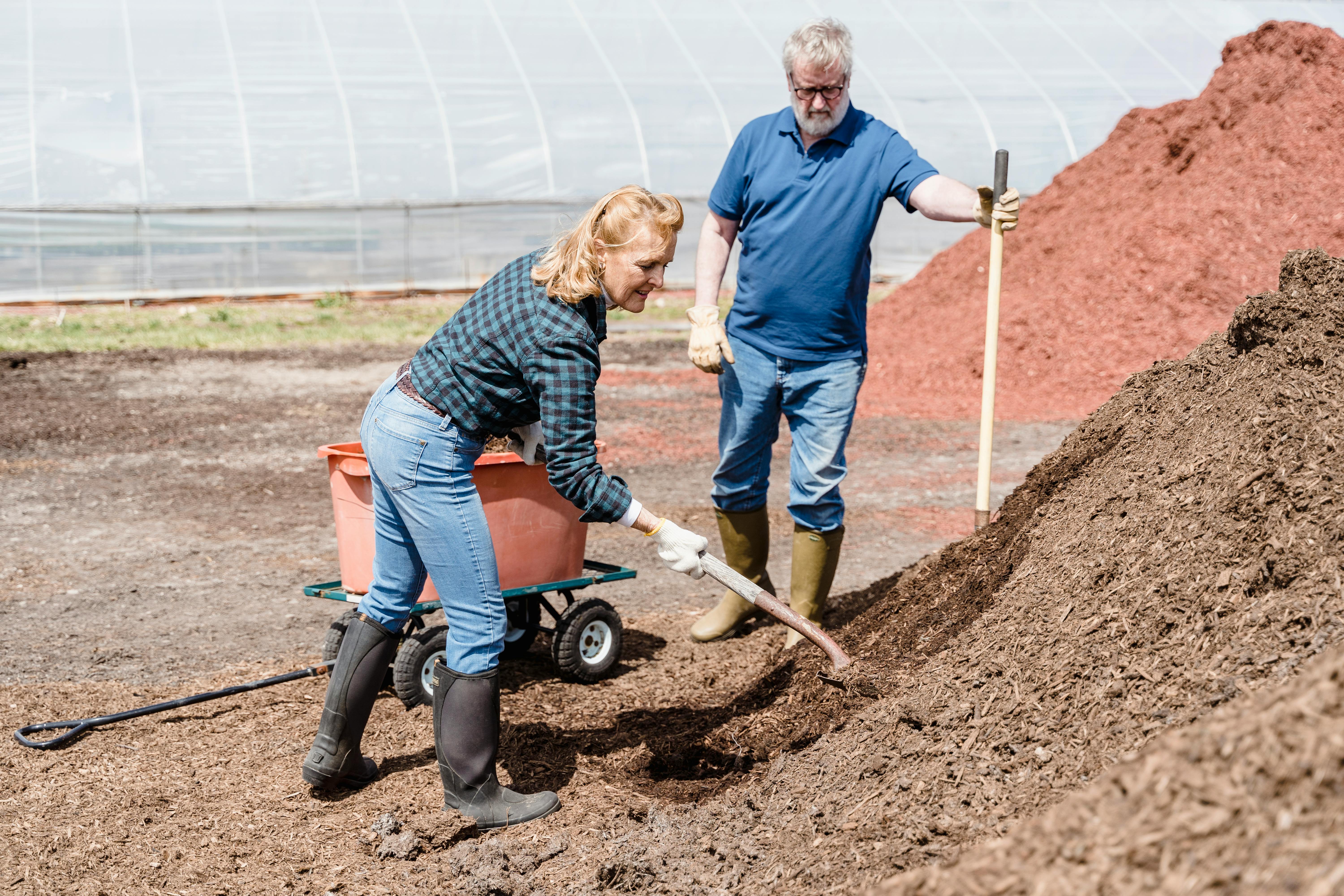
In the realm of gardening, the importance of a well-maintained garden cannot be overstated. A thriving garden is not only aesthetically pleasing but also contributes to environmental health. One critical component in ensuring the vitality of a garden is the use of quality mulch. Specifically, arborist mulch, derived from tree trimmings and other natural materials, offers numerous benefits that enhance garden health and appearance. This article delves into the advantages of using arborist mulch and provides insights into its effective application.
Understanding Arborist Mulch
Arborist mulch is a byproduct of tree maintenance practices, composed primarily of chipped tree branches, leaves, and bark. Its natural composition makes it an excellent choice for gardeners seeking sustainable and eco-friendly solutions. Unlike synthetic mulches, arborist mulch breaks down over time, enriching the soil with organic nutrients.
Benefits of Arborist Mulch
- Soil Enrichment: As arborist mulch decomposes, it gradually releases nutrients into the soil, enhancing soil fertility.
- Moisture Retention: A layer of mulch helps to retain soil moisture, reducing the need for frequent watering.
- Weed Control: By blocking sunlight, mulch suppresses weed growth, minimizing garden maintenance.
- Temperature Regulation: Mulch acts as an insulator, keeping soil temperatures stable across seasons.
- Erosion Prevention: A thick layer of mulch protects the soil from erosion caused by wind and rain.
Applying Arborist Mulch
The application of arborist mulch is an art that requires attention to detail for optimal results. When applying mulch, it is crucial to consider the specific needs of the garden and the type of plants being cultivated. For detailed application techniques, find out more about this approach.
Steps for Effective Mulching
- Choose the Right Time: Late spring and early fall are ideal times to apply mulch, as these seasons provide the best conditions for decomposition and nutrient absorption.
- Prepare the Area: Remove existing weeds and debris to ensure the mulch can settle properly on the soil surface.
- Apply Evenly: Spread the mulch evenly around plants, keeping it 2 to 3 inches thick. Avoid piling it against plant stems to prevent rot.
- Monitor and Maintain: Regularly check the mulch layer for compaction and add more as needed. Learn about our tailored solutions for mulch maintenance.
Choosing Quality Arborist Mulch
Not all mulch is created equal, and selecting high-quality arborist mulch is essential for achieving the best results. Quality mulch should be free of contaminants and sourced from healthy tree materials. Discover expert strategies here to identify and select top-grade mulch for your garden.
Characteristics of Quality Mulch
- Uniform Texture: High-quality mulch should have a consistent size and appearance, ensuring even decomposition.
- No Harmful Additives: Avoid mulch treated with chemicals or dyes that can leach into the soil.
- Effective Decomposition: Choose mulch that breaks down efficiently, providing continual soil nourishment.
Conclusion
Incorporating arborist mulch into garden maintenance routines can significantly enhance soil health and plant growth. By understanding the benefits and application techniques, gardeners can create a thriving environment that supports biodiversity and sustainability. For more information on maximizing the benefits of arborist mulch, explore advanced guides and tips.