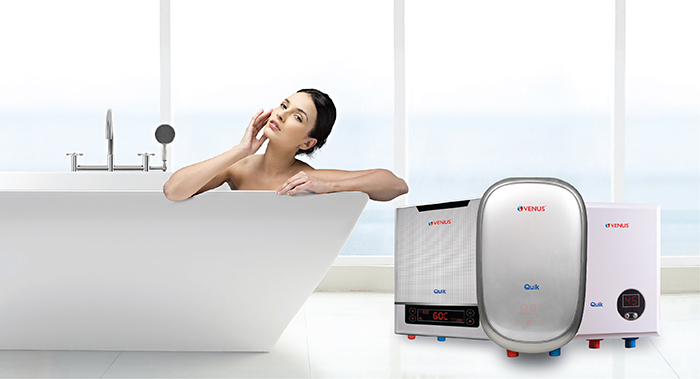
Choosing the right tankless water heater for your home can be a daunting task, with numerous options available on the market. However, making an informed decision is crucial as it affects both your energy efficiency and the comfort of your household. A tankless water heater provides hot water on demand without the need for a large storage tank, enhancing energy efficiency and potentially reducing utility bills. This article aims to guide you through essential considerations when selecting the best tankless water heater for your needs.
Understanding Tankless Water Heaters
Tankless water heaters, often referred to as on-demand water heaters, provide hot water only as it is needed. This can offer a significant advantage over traditional storage water heaters which maintain a reservoir of hot water.
- Energy Efficiency: Since water is heated only when needed, energy wastage is minimized.
- Space Saving: Compact designs free up space compared to bulkier tank models.
- Longevity: Typically, these units have a longer lifespan due to fewer parts being exposed to water and heat.
Key Considerations When Choosing a Tankless Water Heater
Flow Rate and Sizing
Determining the appropriate size of a tankless water heater is crucial for ensuring adequate hot water supply. The flow rate, measured in gallons per minute (GPM), should match your household’s hot water demand.
- Calculate Peak Usage: Consider how many appliances and fixtures will need hot water simultaneously.
- Climate Considerations: Colder climates may require higher flow rates due to cooler incoming water temperatures.
Carefully assessing these factors will help in selecting a suitable tankless water heater for your home.
Fuel Type
Tankless water heaters can be powered by electricity, natural gas, or propane. Each fuel type has its advantages and implications for installation and operating costs.
- Electric: Easier to install and maintain, but may have higher operational costs depending on electricity rates.
- Natural Gas/Propane: Often more cost-effective in terms of operation, but require proper venting and gas line connections.
Installation and Maintenance
The installation process for tankless water heaters can vary significantly based on the model and fuel type chosen. Professional installation is recommended to ensure safety and compliance with local building codes.
- Venting: Gas models require venting to the outside to safely expel combustion gases.
- Electrical Requirements: Electric models may need dedicated circuits.
- Regular Maintenance: Routine descaling and filter cleaning can extend the life of the unit.
Consulting with a licensed plumber or technician can provide insights into the specific requirements for your home and ensure a smooth installation process.
Cost Considerations
Initial costs for tankless water heaters are typically higher than traditional tank-style models, but they can offer savings in the long run due to reduced energy usage.
- Upfront Investment: Includes the cost of the unit and installation.
- Long-term Savings: Lower utility bills and potential tax credits for energy-efficient home improvements.
It’s important to weigh these factors against your budget and long-term goals for energy efficiency.
Conclusion
Choosing the best tankless water heater for your home involves a careful assessment of your household’s hot water needs, the available fuel types, and installation requirements. By understanding these elements, you can ensure a choice that enhances comfort and efficiency in your home. Consulting with professionals and reviewing the latest models and technologies can further aid in making an informed decision.