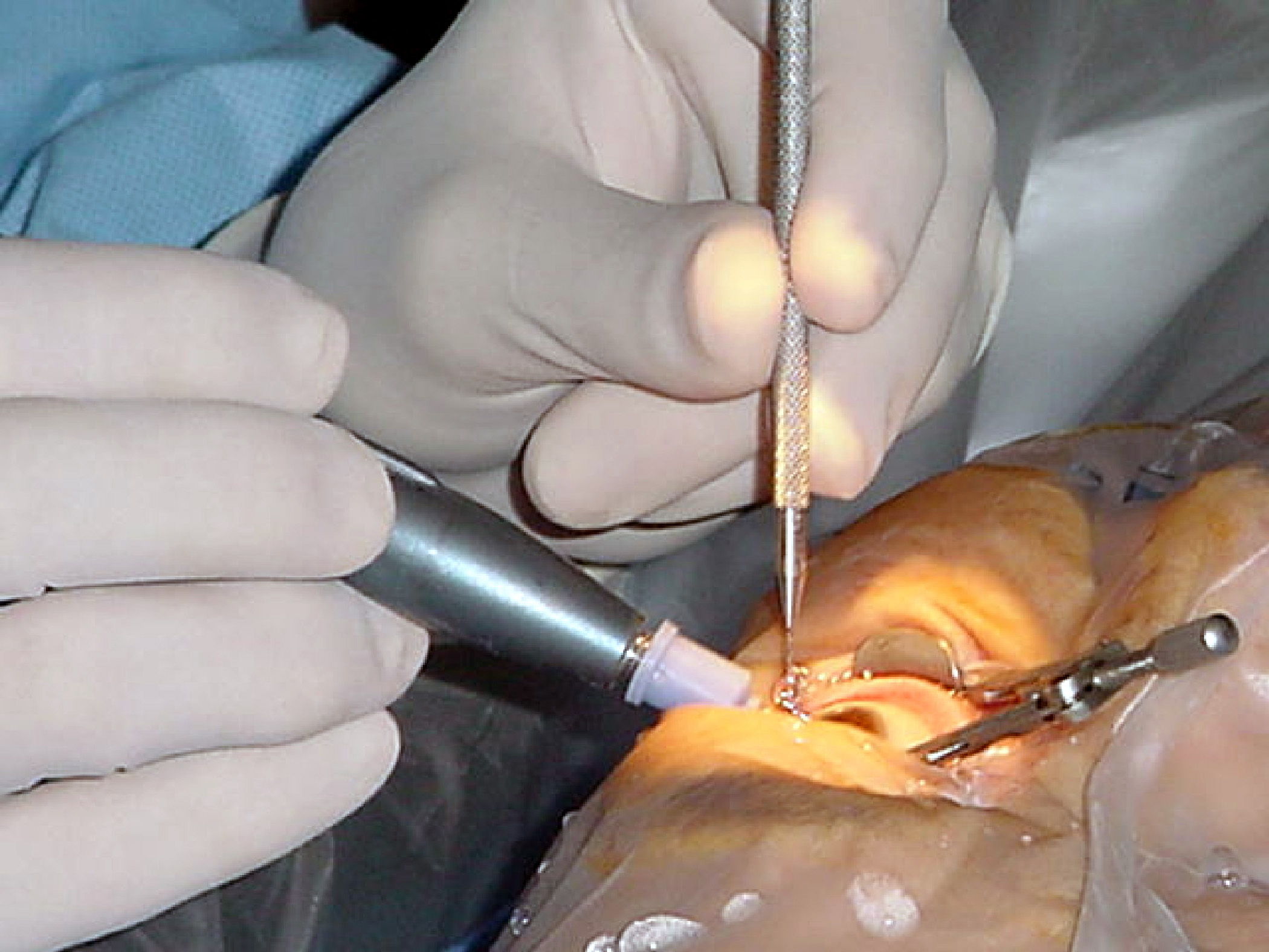
Choosing the Best Eye Cataract Treatment Options
As cataracts progress, they can significantly impair vision, making everyday activities challenging. With a growing number of treatment options available, it is essential to understand the various approaches to cataract treatment to make an informed decision. This article explores the different treatment options, helping you choose the best path for your eye health.
Understanding Cataracts
A cataract is a clouding of the eye’s natural lens, which leads to decreased vision. It is a common condition, especially in older adults, and can develop in one or both eyes. Common symptoms of cataracts include:
- Blurry or foggy vision
- Difficulty seeing at night
- Sensitivity to light and glare
- Halos around lights
- Fading or yellowing of colors
Treatment Options for Cataracts
Non-Surgical Options
In the early stages, cataracts may be managed with non-surgical methods. These options can temporarily improve vision but do not remove the cataract itself:
- Prescription eyeglasses or contact lenses
- Anti-glare sunglasses
- Magnifying lenses for reading
While these methods may help, they do not address the underlying issue. Explore further insights here on managing cataracts without surgery.
Surgical Options
Once cataracts begin to interfere significantly with daily life, surgical removal is often recommended. Cataract surgery is one of the most common and successful procedures worldwide. There are different surgical techniques available:
Phacoemulsification
This technique involves using ultrasonic waves to break up the cloudy lens, which is then removed through a small incision. An artificial intraocular lens (IOL) is implanted in its place. Phacoemulsification is the most common form of cataract surgery due to its precision and quick recovery time. Read more about this topic.
Extracapsular Cataract Extraction (ECCE)
In cases where the cataract is too dense for phacoemulsification, ECCE may be used. This method involves a larger incision to remove the lens in one piece, followed by the placement of an IOL. Although the recovery period may be longer, it remains a viable option for certain patients.
Laser-Assisted Cataract Surgery
Laser technology can be used to enhance the precision of cataract surgery. The laser can assist in making incisions and softening the cataract, potentially leading to more accurate outcomes. Learn more in this detailed guide.
Choosing the Right Option for You
Choosing the best treatment option involves considering several factors:
- The severity of the cataract
- Overall eye health and presence of other eye conditions
- Personal lifestyle and vision needs
- Advice and recommendations from an eye care professional
It is essential to consult with an ophthalmologist to evaluate the most suitable option based on your individual situation. Find additional information here.
Conclusion
Cataracts are a common issue that can significantly affect quality of life. With various treatment options available, understanding each one can empower you to make the best choice for your vision and lifestyle. Whether opting for non-surgical management or proceeding with surgery, staying informed is key to maintaining optimal eye health.