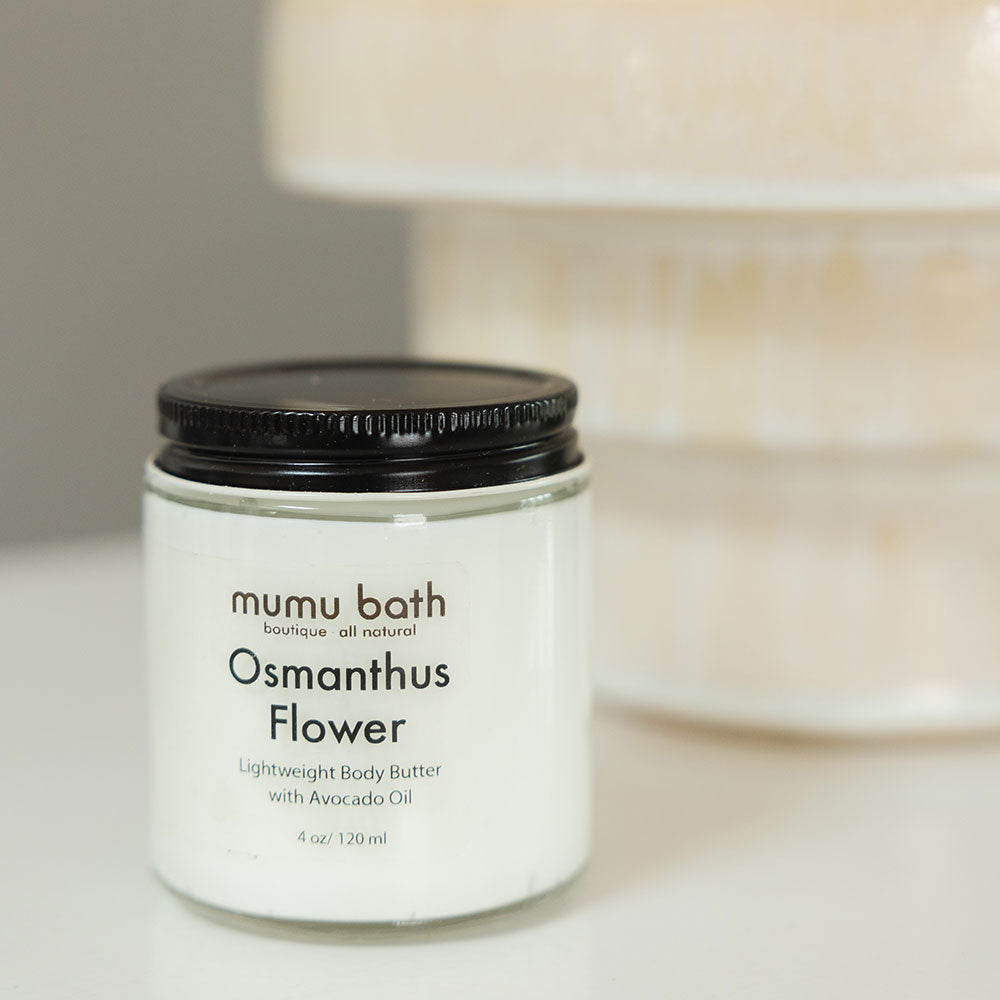
Dry, flaky skin is more than a cosmetic concern, it can signal a compromised barrier, environmental stress, or an underlying health issue. When the skin’s natural lipids are depleted, moisture evaporates rapidly, leaving the surface rough and uncomfortable. A well-formulated body butter cream delivers a concentrated dose of emollients, occlusives, and skin-loving nutrients that restore softness, improve elasticity, and protect against future dryness. This article explores the science behind body butter, key ingredients to look for, and practical tips for maximizing its benefits.
What Makes Body Butter Different from Lotion?
While both lotions and creams aim to hydrate, body butter distinguishes itself through texture and composition:
- Higher oil content: Body butter typically contains 15-30% more plant-based oils, providing a richer, more occlusive layer.
- Thicker consistency: The semi-solid texture forms a protective film that locks in moisture for longer periods.
- Targeted actives: Many formulations incorporate botanical extracts, vitamins, and antioxidants that go beyond simple hydration.
Core Ingredients for Dry Skin Relief
1. Natural Butters
Shea, cocoa, and mango butter are the backbone of most high-performance body butters. Their fatty acid profiles (stearic, oleic, and linoleic acids) closely mimic the skin’s own lipids, helping to rebuild the barrier.
2. Carrier Oils
Lightweight oils such as jojoba, sweet almond, and argan oil penetrate quickly, delivering essential fatty acids without leaving a greasy residue.
3. Humectants
Glycerin, hyaluronic acid, and honey attract water from the environment into the stratum corneum, enhancing the butter’s moisturizing power.
4. Botanical Extracts & Vitamins
Ingredients like calendula, chamomile, vitamin E, and green tea extract provide anti-inflammatory and antioxidant benefits, soothing irritation while protecting against free-radical damage.
How to Choose the Right Body Butter
Selecting a product that aligns with specific skin needs involves evaluating several factors. The following checklist can simplify the decision-making process:
- Check the ingredient list for at least two natural butters.
- Ensure the presence of a humectant (e.g., glycerin) for added hydration.
- Look for antioxidant-rich extracts if the skin is prone to redness or inflammation.
- Prefer fragrance-free or naturally scented options if sensitivity is a concern.
- Verify that the product is free from parabens, sulfates, and mineral oil.
For a curated selection that meets these criteria, Discover expert strategies here.
Application Techniques for Maximum Effect
Even the best body butter will underperform if applied incorrectly. Follow these steps to ensure optimal absorption:
- Apply on damp skin: After a shower or bath, gently pat the skin dry, leaving a thin layer of moisture.
- Warm the product: Rub a pea-sized amount between the palms to soften the butter.
- Massage in upward strokes: This encourages circulation and helps the butter penetrate deeper.
- Focus on problem areas: Knees, elbows, and heels benefit from an extra layer.
- Reapply as needed: During colder months, a second application before bedtime can lock in moisture overnight.
Integrating Body Butter into a Skincare Routine
Body butter works best when paired with complementary products:
- Exfoliation: Gentle chemical or physical exfoliants remove dead cells, allowing the butter to reach fresh skin.
- Serums: Vitamin-rich serums applied before the butter can boost nutrient delivery.
- Sun protection: Even though body butter offers barrier support, sunscreen remains essential for daytime use.
For a holistic approach that combines these steps, Learn about our tailored solutions.
Frequently Asked Questions
Can body butter be used on the face?
Most body butters are too rich for the delicate facial skin, especially for oily or acne-prone types. However, a small amount on dry patches can be beneficial if the formula is non-comedogenic.
Is it safe to use body butter on sensitive skin?
Yes, provided the product is free from fragrance, dyes, and harsh preservatives. Look for soothing extracts such as oat or chamomile.
How long does a container typically last?
Because of its concentrated nature, a 200 ml jar can last 2-3 months with regular use, depending on application thickness.
Conclusion
Body butter cream offers a powerful, multi-layered solution for dry skin relief. By selecting products rich in natural butters, carrier oils, humectants, and antioxidants, and by applying them using proper techniques, the skin’s barrier can be restored and protected against future moisture loss. Incorporating these practices into a broader skincare routine ensures lasting softness, flexibility, and comfort.
Ready to explore a range of expertly formulated options? Explore advanced guides and tips.