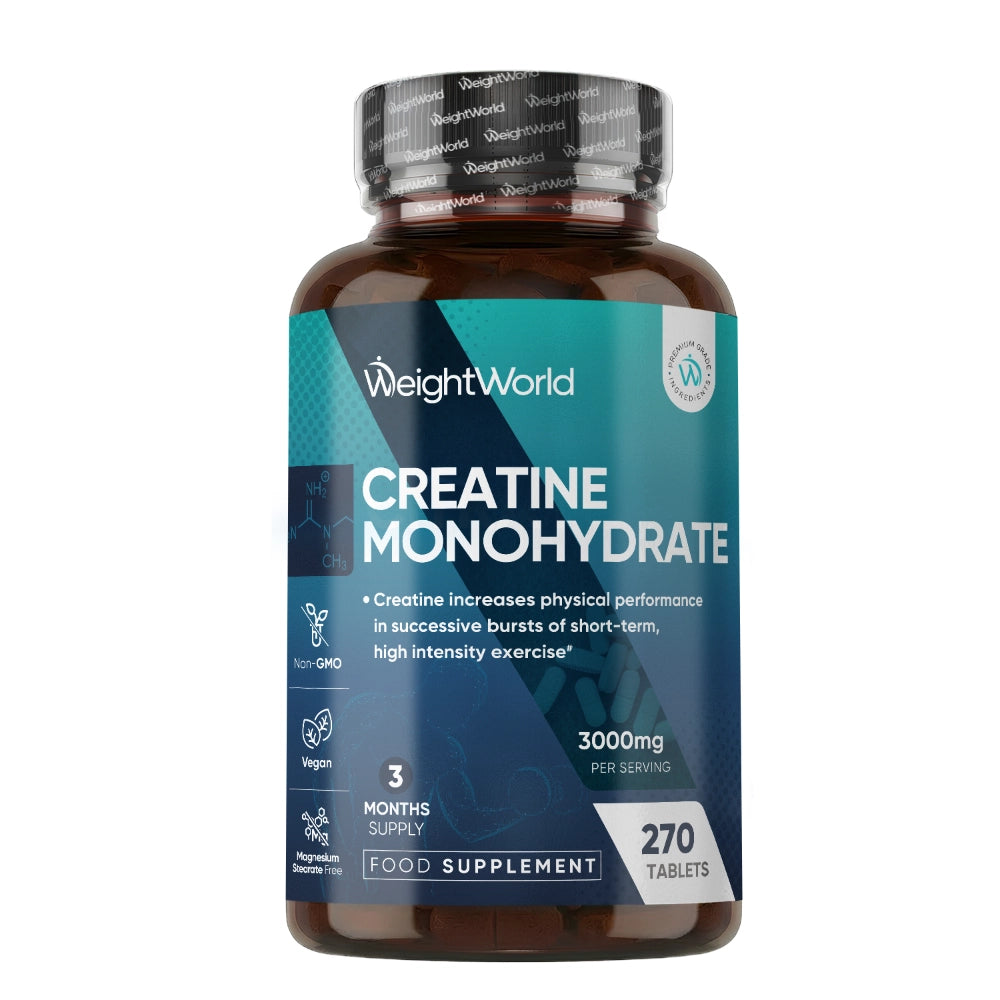
Creatine remains one of the most researched and effective ergogenic aids for athletes, bodybuilders, and anyone looking to improve high-intensity performance. With a growing market in the United Kingdom, shoppers are faced with a multitude of brands, formats, and price points. This guide consolidates the most important considerations, purity, type, dosage, certification, and value, so that the buying decision is based on science and practicality rather than hype. By the end, you’ll be equipped to select a supplement that aligns with personal goals, budget, and regulatory standards.
Understanding the Different Forms of Creatine
While creatine monohydrate dominates the market due to its extensive research base, several alternative forms have emerged. Knowing the distinctions helps avoid unnecessary spending.
Creatine Monohydrate
- Highest level of scientific validation for strength, power, and muscle mass gains.
- Typically available as powder, capsules, or chewable tablets.
- Cost-effective; most retailers offer bulk pricing.
Micronised Creatine
- Creatine monohydrate processed into finer particles for improved solubility.
- May reduce the gritty texture some users experience.
- Often priced slightly higher than standard monohydrate.
Creatine HCl, Kre-Alkalyn, and Other Variants
- Marketed as “buffered” or “acid-stable” to minimise stomach discomfort.
- Limited independent research compared with monohydrate.
- Generally more expensive per gram of active creatine.
Key Quality Indicators to Check Before Purchase
When browsing UK retailers, focus on the following attributes to ensure product integrity.
- Purity Certification: Look for third-party testing (e.g., Informed-Sport, Labdoor) that confirms ???99.9% creatine content.
- Ingredient List: Pure creatine products should contain only creatine monohydrate and, if applicable, a minimal anti-caking agent.
- Manufacturing Standards: GMP-certified facilities reduce the risk of contaminants.
- Packaging: Airtight, UV-protected containers preserve stability.
For a curated selection that meets these standards, Discover expert strategies here.
Choosing the Right Format for Your Lifestyle
Personal preference plays a significant role in adherence. Below is a quick guide to match format with routine.
- Powder: Ideal for mixing into shakes or water; offers flexibility in dosing.
- Capsules/Tablets: Convenient for on-the-go athletes; eliminates mixing hassles.
- Flavored Chews: Useful for those who dislike the taste of plain powder.
If you prefer a hassle-free solution that integrates seamlessly into daily supplementation, Learn about our tailored solutions.
Dosage Recommendations and Timing
Effective dosing strategies are consistent across reputable brands.
- Loading Phase (optional): 20″?g per day split into 4 doses for 5-7 days.
- Maintenance Phase: 3-5″?g per day, taken any time of day.
- Post-Workout: Pairing creatine with a carbohydrate-protein mix may enhance uptake.
For deeper insight into periodisation and stacking with other nutrients, Explore advanced guides and tips.
Price-Performance Evaluation
Cost per gram is a reliable metric for comparing options.
| Product Type | Typical Price (?) | Price per Gram of Creatine |
|---|---|---|
| Bulk Creatine Monohydrate Powder (500″?g) | ?12-?15 | ?0.024-?0.030 |
| Micronised Powder (300″?g) | ?14-?18 | ?0.047-?0.060 |
| Capsules (120″?caps, 3″?g total) | ?9-?12 | ?0.075-?0.100 |
When evaluating value, prioritize products that balance affordability with verified purity. Detailed comparisons can be found at Find out more about this approach.
Regulatory Considerations in the UK
Creatine is classified as a food supplement and is legal to sell without a prescription. However, reputable retailers adhere to the following guidelines:
- Compliance with the UK Food Standards Agency (FSA) labeling requirements.
- Clear declaration of any allergens or added ingredients.
- Provision of a batch-specific Certificate of Analysis (CoA) on request.
Choosing a supplier that respects these regulations helps avoid products that may contain undisclosed stimulants or contaminants.
Common Myths Debunked
- Myth: Creatine causes kidney damage.
Fact: Research in healthy individuals shows no adverse renal effects when taken within recommended doses.
- Myth: Only bodybuilders benefit.
Fact: Sprint athletes, wrestlers, and even older adults experience performance and strength improvements.
- Myth: You must load to see results.
Fact: Loading accelerates saturation, but a steady 3-5″?g daily dose achieves similar levels within 3-4 weeks.
Final Checklist Before Purchase
- Is the product ???99.9% pure creatine monohydrate?
- Does it have third-party testing or a visible certification?
- Is the price per gram competitive?
- Does the packaging protect against moisture and light?
- Is the retailer compliant with UK supplement regulations?
Following this checklist ensures a confident, evidence-based purchase that supports training goals without unnecessary risk.
Where to Buy Reliable Creatine in the UK
Online specialist stores often provide the most transparent product information, including batch numbers and lab results. For a selection that meets the quality criteria outlined above, Explore advanced guides and tips and consider reputable platforms that specialise in sports nutrition.
By aligning product choice with scientific evidence, personal preference, and regulatory standards, athletes and fitness enthusiasts can maximise the benefits of creatine while maintaining confidence in what they consume.