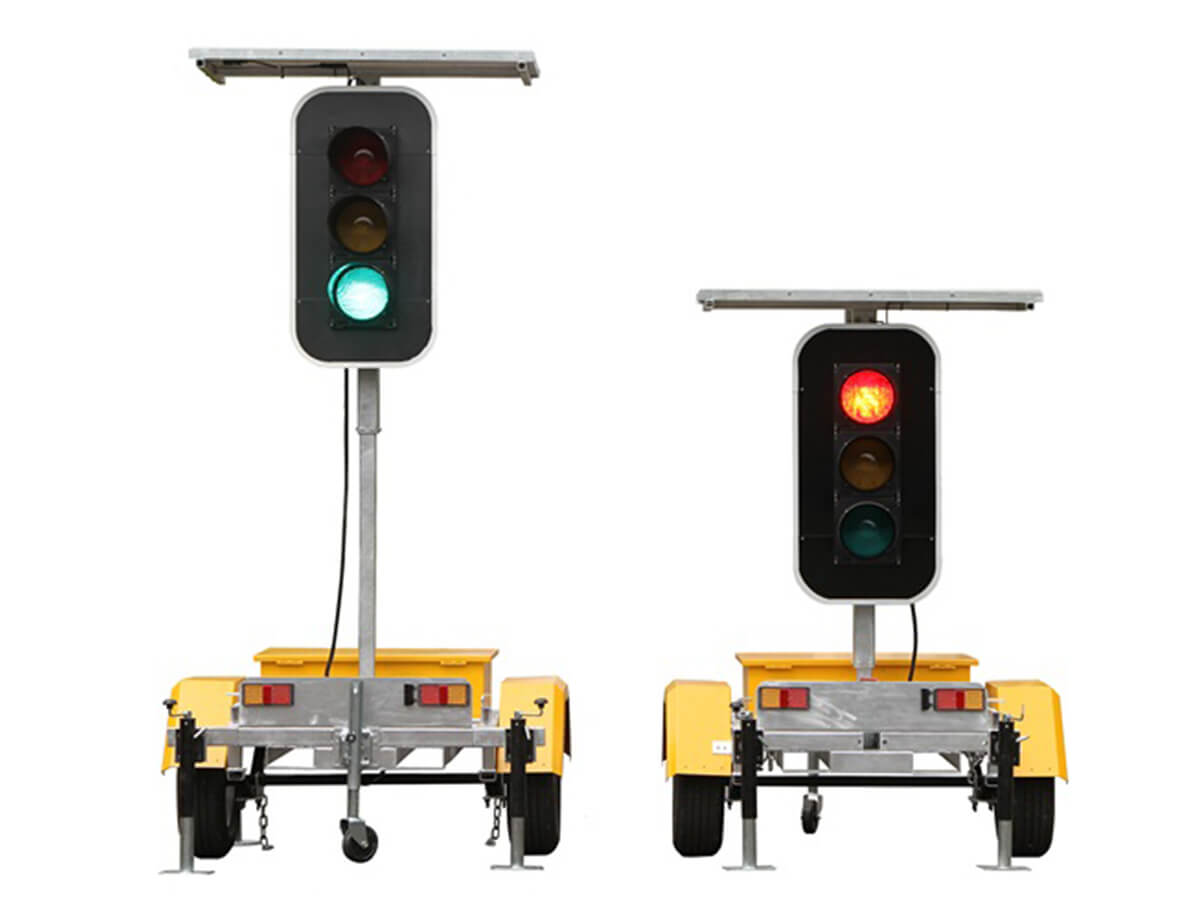
In the realm of traffic management, the decision between using portable or temporary traffic signals can be crucial for the success of a project. Whether overseeing roadworks, managing event traffic, or controlling site access, selecting the appropriate traffic signal solution not only enhances safety but also improves the flow of vehicles and pedestrians. Understanding the key differences and benefits of each type can significantly impact project outcomes. This article explores the features, applications, and considerations involved in choosing between portable and temporary traffic signals.
Understanding Portable Traffic Signals
Portable traffic signals are versatile solutions designed for short-term use and frequent relocation. They are ideal for scenarios where mobility and quick deployment are essential. These systems are typically used in:
- Short-duration roadworks where traffic patterns change frequently.
- Special events requiring temporary traffic control.
- Emergency situations where immediate traffic management is needed.
Portable traffic signal lights are easy to set up and dismantle, allowing for rapid adjustments to traffic flow as project needs evolve. Their compact design and battery-powered operation often eliminate the need for extensive infrastructure, making them a cost-effective solution for many projects.
Benefits of Portable Traffic Signals
- Flexibility: Easily moved and redeployed as project demands shift.
- Cost-Effective: Lower installation costs due to minimal setup requirements.
- Minimal Disruption: Quick installation reduces impact on existing traffic patterns.
Exploring Temporary Traffic Signals
Temporary traffic signals are generally employed for longer-term projects where a more stable solution is required. These systems are particularly suitable for:
- Long-term construction projects where traffic control is needed for extended periods.
- Roadway redesigns or significant infrastructure changes.
- Permanent installations that are not yet fully operational.
The temporary traffic signal offers a robust and reliable option for managing complex traffic scenarios. They are often integrated with more permanent fixtures and can handle higher traffic volumes, making them suitable for major urban settings.
Advantages of Temporary Traffic Signals
- Durability: Designed to withstand long-term exposure to environmental conditions.
- High Visibility: Often equipped with larger lights and signage for enhanced visibility.
- Integration: Can be seamlessly integrated with existing traffic control systems.
Key Considerations in Choosing the Right Traffic Signal
Selecting the appropriate traffic signal system involves evaluating project-specific requirements. Considerations include:
- Duration of Project: Short-term projects benefit from portable options, while long-term projects may require temporary solutions.
- Traffic Volume: High-traffic areas may need the robustness of temporary traffic lights.
- Budget Constraints: Portable systems might offer a more budget-friendly alternative for projects with limited funding.
- Site Conditions: Environmental factors and site layout can influence the choice of traffic signal.
For projects requiring frequent adjustments or that involve transient traffic patterns, a portable traffic signal might be more suitable. Conversely, if the project is extensive and involves significant traffic management challenges, investing in a more permanent temporary traffic lights system may be beneficial.
Conclusion
Deciding between portable and temporary traffic signals is contingent upon a thorough understanding of project needs, constraints, and goals. By evaluating the specific requirements and potential challenges associated with each project, stakeholders can ensure that they choose the most effective traffic management solution. Whether opting for the flexibility of portable systems or the durability of temporary setups, the right choice will enhance both safety and efficiency on the road.