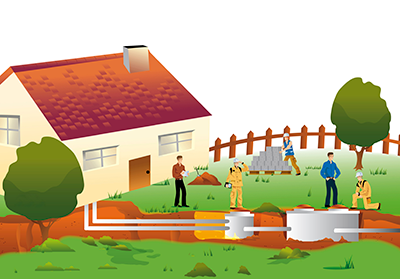
Sanitary pit cleaning is an essential service that helps maintain the health and safety of residential properties. Proper management of these systems not only ensures compliance with health regulations but also prevents unpleasant odors and potential health hazards. Regular cleaning and maintenance can significantly extend the lifespan of septic systems, thereby protecting property investments.
Understanding the Importance of Sanitary Pit Cleaning
Sanitary pits, often referred to as septic tanks, play a crucial role in managing household wastewater. Over time, waste solids build up in the tank, which can lead to blockages and system failures if not properly managed. Regular cleaning services are vital for several reasons:
- Prevents Overflows: Regular maintenance prevents blockages that can lead to overflow, causing environmental contamination and property damage.
- Enhances System Efficiency: Clean systems operate more efficiently, reducing the risk of costly repairs or replacements.
- Promotes Health and Safety: Removing waste buildup minimizes the risk of harmful bacteria and pathogens entering the home environment.
When to Schedule Sanitary Pit Cleaning
Determining the right time for a cleaning service can depend on several factors, including the size of the tank, the number of household occupants, and the volume of wastewater generated. Generally, it is advisable to schedule cleaning every three to five years. However, more frequent cleaning may be necessary in larger households or where water usage is high.
For more specific guidance tailored to individual needs, explore advanced guides and tips that provide insights based on property size and usage patterns.
Steps Involved in Sanitary Pit Cleaning
A professional cleaning service typically involves several steps to ensure thorough and effective cleaning:
1. Inspection
The process begins with a detailed inspection to assess the condition of the tank and identify any potential issues.
2. Pumping
All waste materials are pumped out of the tank to clear it completely. This step is crucial for resetting the system.
3. Cleaning
The interior of the tank is then cleaned, removing any remaining sludge and debris that could prevent efficient operation.
4. Final Check
A final inspection is conducted to ensure that all components are functioning correctly and that there are no signs of damage or deterioration.
To learn more about these steps and how they contribute to effective maintenance, discover expert strategies here.
Benefits of Professional Sanitary Pit Cleaning Services
Engaging a professional service ensures that sanitary pits are cleaned and maintained to the highest standards. Benefits include:
- Expertise: Professionals bring knowledge and experience, ensuring the job is done correctly.
- Safety: Proper procedures and equipment reduce the risk of accidents and exposure to harmful substances.
- Reliability: Scheduled maintenance plans ensure that property owners never miss a cleaning cycle.
For more information on the advantages of professional services, find out more about this approach.
Conclusion
Regular sanitary pit cleaning is a critical component of property maintenance, contributing to the safety, efficiency, and longevity of septic systems. By understanding the importance and steps involved, property owners can ensure their systems operate smoothly and safely. Whether seeking guidance on when to schedule a cleaning or exploring the benefits of professional services, learn about our tailored solutions for maintaining a clean and safe environment.