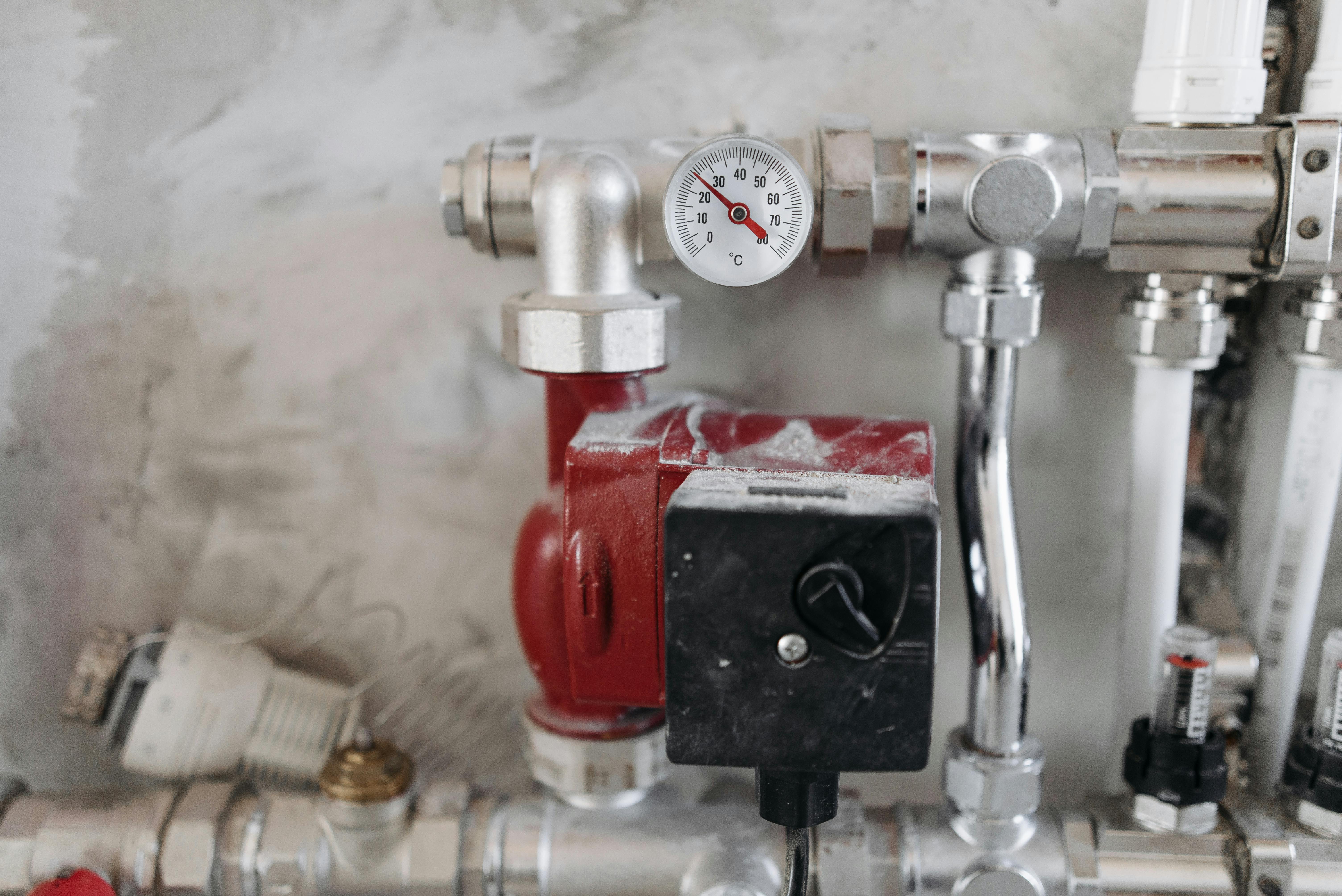
Working on gas systems can be daunting for many homeowners, but with the right guidance and safety measures, some repairs can be handled without the need for professional intervention. Understanding the fundamentals and having access to expert tips can transform a challenging task into a manageable one. This article delves into essential strategies for those keen on tackling DIY gas system repairs, ensuring both safety and efficiency.
Understanding the Basics of Gas Systems
Before embarking on any repair work, it is crucial to understand the components and functioning of gas systems. This knowledge not only enhances safety but also aids in diagnosing issues accurately.
Key Components of a Gas System
- Gas Meter: Measures the volume of gas usage.
- Pressure Regulator: Controls the gas pressure supplied to appliances.
- Gas Pipes: Transport gas from the supply to appliances.
- Valves: Allow for the control and shut-off of the gas flow.
For a deeper understanding of each component’s role and maintenance, explore advanced guides and tips here.
Safety Precautions for DIY Gas Repairs
Safety is paramount when dealing with gas systems. A minor error can lead to hazardous situations. Here are essential safety measures to consider:
- Always turn off the main gas supply before starting any repair work.
- Use appropriate tools to avoid damaging components.
- Ensure proper ventilation in the working area to prevent gas buildup.
- Wear protective gear, including gloves and safety goggles.
- Keep a fire extinguisher handy as a precautionary measure.
Discover expert strategies here to ensure your safety is never compromised during repairs.
Common Gas System Issues and DIY Solutions
Gas Leak Detection
Gas leaks are one of the most dangerous issues. To detect leaks, apply a soap solution to the joints and look for bubbles, indicating a leak. If a leak is detected:
- Turn off the gas supply immediately.
- Ventilate the area by opening windows and doors.
- Contact a professional if the leak is significant.
Find out more about this approach here and learn how to address leaks effectively.
Low Gas Pressure
Low gas pressure can affect appliance performance. To troubleshoot:
- Check the pressure regulator for any obstructions.
- Ensure all valves are fully open.
- Inspect the pipes for any blockages or damage.
Learn about our tailored solutions here to optimize the gas pressure in your system.
When to Call a Professional
While DIY techniques can resolve minor issues, certain situations necessitate professional intervention. These include:
- Major leaks that cannot be contained.
- Complex repairs involving multiple gas system components.
- Persistent issues that do not resolve with basic troubleshooting.
Explore advanced guides and tips here to determine when it?s best to seek professional help.
In conclusion, while DIY gas system repairs can be feasible, they require careful consideration of safety protocols and a solid understanding of the system’s workings. By adhering to the tips shared here and accessing additional resources, homeowners can effectively manage minor repairs while ensuring their safety and that of their property.