Wine enthusiasts and connoisseurs alike appreciate the delicate balance of flavors in a glass of wine. One of the key factors contributing to this balance is acidity. While acidity is essential for creating vibrant and refreshing wines, excessive acidity can lead to a sharp, sour taste that detracts from the overall experience. Understanding the science behind reducing acidity in wine is crucial for both winemakers and consumers seeking to enhance their enjoyment of this beloved beverage.
Understanding Wine Acidity
Acidity is a fundamental component of wine, contributing to its taste, structure, and aging potential. It primarily comes from organic acids present in grapes, including tartaric, malic, and citric acids. These acids play a crucial role in:
- Enhancing flavor profiles by providing a crisp and refreshing taste.
- Preserving wine by preventing microbial spoilage.
- Balancing sweetness and other flavor elements.
However, the challenge lies in achieving the right balance. Excessive acidity can make wine taste overly tart, while too little acidity can result in a flat and uninteresting profile.
Techniques to Reduce Acidity in Wine
Biological Methods
One of the most popular methods for reducing acidity in wine is through malolactic fermentation. This process involves the conversion of sharper malic acid into the softer lactic acid by lactic acid bacteria. It is commonly employed in red wines and some white wines, like Chardonnay, to create a smoother, rounder mouthfeel.
Chemical Adjustments
Chemical deacidification techniques can also be employed, such as adding a wine acid reducer like potassium bicarbonate. This compound reacts with tartaric acid to form insoluble potassium bitartrate, which can be removed, thereby lowering the acidity.
Blending Wines
Another effective strategy involves blending wines with varying acidity levels. By combining a high-acid wine with a low-acid counterpart, winemakers can achieve a balanced acidity that enhances the overall flavor profile. This technique requires careful selection and blending to maintain harmony among the different components.
Modern Innovations in Reducing Wine Acidity
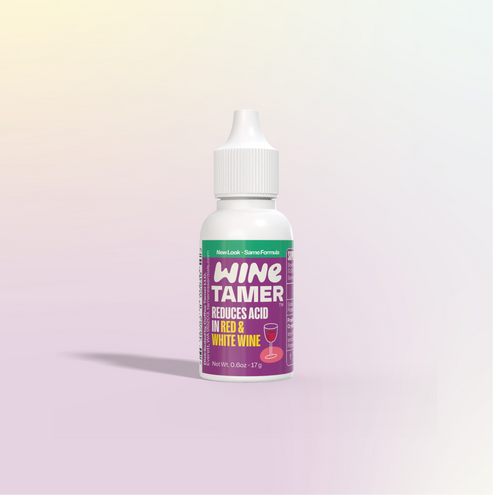
Advancements in technology and science have introduced innovative products designed to help consumers reduce wine acidity at home. These products, often referred to as best wine drops, allow individuals to adjust the acidity of their wine to their personal taste preferences. Such solutions are particularly useful for those who may find certain wines too sharp or acidic for their liking.
Considerations for Wine Consumers
For the casual wine drinker looking to enjoy their favorite bottle, understanding these methods can enhance their appreciation and enjoyment. When searching for wine drops near me, it’s important to select products that are designed to complement the wine’s natural characteristics without overwhelming them.
Practical Tips for Wine Lovers
- Start by tasting your wine at its natural acidity level to understand its unique profile.
- Experiment with small adjustments to gauge changes and find the perfect balance.
- Consider pairing high-acid wines with food to complement and balance flavors.
The Future of Wine Acidity Management
The continuous exploration of techniques for reducing acidity in wine reflects the dynamic nature of the wine industry. As consumer preferences evolve, so does the need for innovative solutions that enhance the enjoyment of wine while maintaining its integrity.
Ultimately, the science behind managing wine acidity is a blend of tradition and innovation, offering wine lovers the ability to tailor their experience to their individual tastes. With resources and products available today, achieving the perfect glass of wine is within reach for everyone.